How to Maintain a Ceramic Coating: The Products and Wash Routine We Use
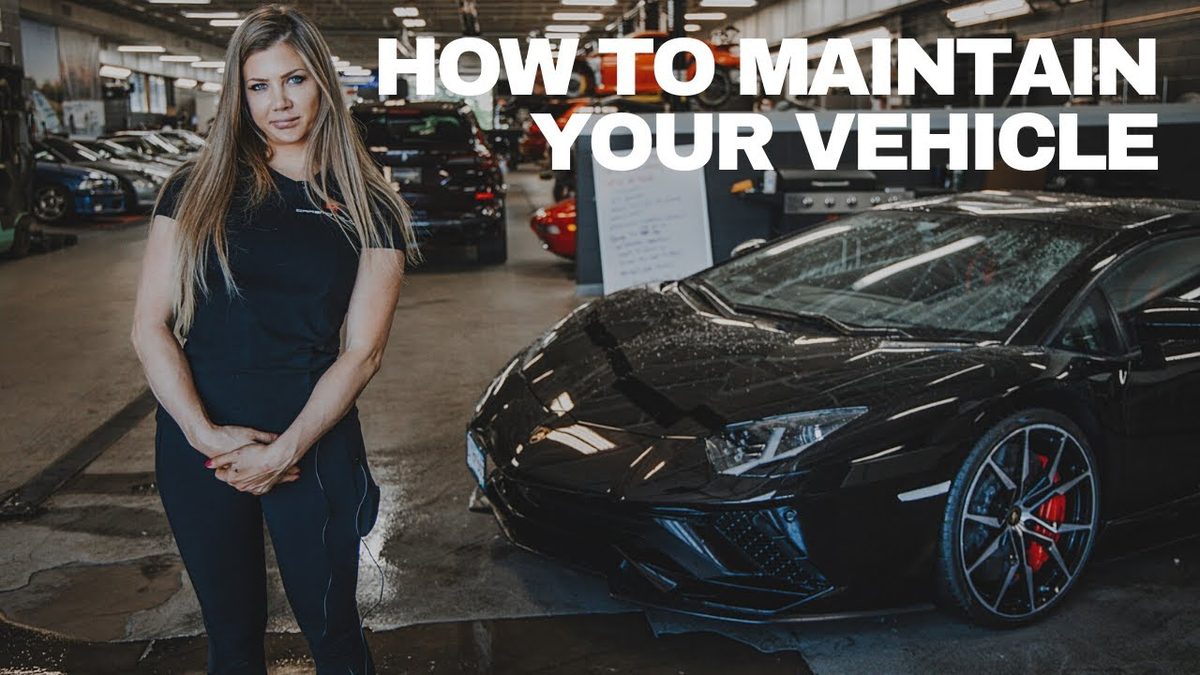
I am Jennifer, owner of Carsmotology here in Boerne, Texas, and one of the most common questions I get after installing a ceramic coating is simple. Now what? A ceramic coating is an investment, and how you care for it is what decides whether it stays glossy and hydrophobic for years or starts to look tired far too soon.
So I put together a quick educational video walking through exactly how I maintain a ceramic coating, including the products I reach for and the wash techniques that keep your finish scratch free. Here is the full breakdown.
Watch the Full Video
Quick Answer: How Do You Maintain a Ceramic Coating?
Maintain a ceramic coating with a gentle two-bucket wash using a pH-balanced soap, washing top to bottom with separate mitts for the paint and wheels. Dry with a soft drying towel and a quick-detailer drying aid, use an iron remover about once a month, and reapply a topper spray sealant every six months to a year to keep the coating hydrophobic and glossy.
The Essentials You Need to Maintain a Coating
Before you wash, it helps to have the right tools on hand. Here is the maintenance kit I recommend keeping in the garage:
- A two-bucket wash system with grit guards (one for soap, one for rinse)
- Dedicated wash mitts, kept separate for paint and for wheels
- A soft drying towel
- A pH-balanced car wash soap
- A quick detailer to use as a drying aid
- A topper spray sealant (used every six months to a year)
- An iron and fallout remover
- Optional glass cleaner for the windows
- Wheel brushes for the wheel barrels
A rolling bucket dolly also makes moving your buckets around the car far easier. If you want the full step-by-step wash process behind this routine, see our guide on how to wash a car in 8 steps.
What Is a Two-Bucket Wash System?
A two-bucket wash is the single most important habit for protecting coated paint. You use two five-gallon buckets, each fitted with a grit guard in the bottom. One bucket holds your soap, the other is for rinsing.
After you wash a section, you rinse the dirty mitt in the rinse bucket first, then dip it back into the clean soap bucket. The grit guard traps any dirt and debris at the bottom so it does not get picked back up onto your mitt. That is what keeps grit from dragging across your clear coat and leaving scratches.
I also recommend a mitt that does not hold a ton of water. When a mitt is heavy with water and there is any sand or dirt in it, that grit digs into your clear coat as you glide over the panel. Keeping the mitt clean and light is how you avoid marring.
Wash Top to Bottom in Sections
Always wash from the top of the vehicle down, never from the bottom up. The lowest panels are the dirtiest, so starting low and working up just drags that grime across cleaner paint.
I like to split the vehicle into sections and do the very top and the glass first. A few other habits that matter: take off your rings, watch, belt, and anything with zippers that could contact and scratch the paint. And try not to wash in direct sunlight. If you have to, work quickly so the soap and water do not dry and spot.
Never Use the Same Mitt on Wheels and Paint
This one is a hard rule. Do not clean your wheels and then wash your paint with that same mitt. Wheels collect brake dust and abrasive grit, and transferring that to your paint is a guaranteed way to scratch it.
For the wheels I use wheel brushes that reach into the barrels, so you are not jamming your hands back there and cutting them up. Keep your wheel tools completely separate from your paint tools, always.
Drying Without Scratching
Drying is where a lot of coated finishes get marred, so slow down here. I like to use a quick detailer as a drying aid, spraying it on to add slickness, extra UV protection, and gloss while the towel glides instead of drags.
Use a soft, fluffy drying towel and drape it over the panel, then pull it to lift the water rather than scrubbing. Be careful along the lower sections where leftover dirt hides, and grab a separate clean microfiber for those areas. Wash your drying towels after every use to prevent hairline scratching. If you have an air compressor, an air gun, or even a leaf blower, blowing the water off first is a great trick since a coating’s hydrophobics send most of it flying.
Use an Iron Remover About Once a Month
An iron and fallout remover is a maintenance step a lot of people skip. It pulls the embedded metal contaminants out of your paint. You spray it on the wheels, the paint, and I do the door jambs too, then wait about seven to ten minutes. You will actually see the fallout bleed out as a purple color.
Do not use it in direct sunlight or on hot paint, because it will dry too fast. I recommend doing this at least once a month. If you skip it for a year and then finally use it, the whole car lights up purple, which tells you just how much was building up under the surface.
Reapply a Topper Spray Sealant
A topper spray sealant is what tops up the coating over time. A good SiO2 topper cross-links with the surface to add hydrophobics, slickness, gloss, and durability, and it is water based and easy to apply.
The trick is wiping it correctly. Spritz a couple sprays onto a microfiber, wipe it onto the panel, then keep wiping and finish in a circular motion. Wear a headlamp so you can actually see your reflection in the paint. When you see a clear mirror image instead of smear marks, you have worked it in enough. I like to do one coat, add another a few hours later, and wait about 24 hours before any water contact.
Mistakes That Ruin a Ceramic Coating
A few final things to protect your investment. Never run a coated car through a soft-touch automatic car wash. Those brushes are like washing your car with someone else’s dirty rag. If you absolutely need an automatic wash, use a touchless one on the lowest setting, because the heavy foam settings are spraying detergents and acids that break a coating down over time.
Always use brand-new microfibers and pop the tags off first. And when your car comes back freshly detailed or coated, the number one rule is do not touch the paint with anything but a very soft microfiber, and never dry wipe it. Any light agitation on a dry, dusty panel can put in hairline scratches. For more on this, read our guide to the biggest car washing mistakes that damage paint.
How This Fits Your Maintenance Routine
This is the product and technique side of caring for a coating. If you are wondering how frequently to run through it, see how often you should wash a ceramic coated car, and for the bigger-picture upkeep schedule, our guide on how to maintain a ceramic coated vehicle with an easy routine ties it all together. If you are still deciding on protection, our ceramic coating services page covers what a professional install includes.
Frequently Asked Questions
What products do you need to maintain a ceramic coating?
The core kit is a two-bucket wash system with grit guards, separate wash mitts for paint and wheels, a pH-balanced car wash soap, a soft drying towel, a quick detailer for a drying aid, an iron and fallout remover, and a topper spray sealant. A glass cleaner and wheel brushes round it out.
How often should you reapply a topper spray sealant on a ceramic coating?
A topper spray sealant should generally be reapplied every six months to a year. It refreshes the coating’s hydrophobics, slickness, and gloss, and it is water based and easy to apply at home with a microfiber towel.
Can you run a ceramic coated car through an automatic car wash?
Avoid soft-touch automatic washes entirely, as the brushes can scratch and wear down the coating. If you must use an automatic wash, choose a touchless one on the lowest setting, since the heavier foam settings apply detergents and acids that break the coating down over time.
How often should you use an iron remover on coated paint?
Using an iron and fallout remover about once a month is a good rule. It pulls embedded metal contaminants out of the paint before they build up. Apply it out of direct sunlight on a cool surface, let it dwell for seven to ten minutes, and you will see the fallout bleed out purple.
Do you need special soap for a ceramic coated car?
A pH-balanced car wash soap with no added waxes is best for coated paint. Very sudsy soaps often contain waxes that can leave residue on a coating. A gentle, pH-balanced soap cleans without interfering with the coating’s hydrophobic properties.
Book Your Detail with Carsmotology
Whether you want a ceramic coating installed or just want it maintained the right way, we are here to help. Carsmotology specializes in ceramic coatings, paint protection film, and paint correction for clients throughout Boerne, San Antonio, and New Braunfels. Contact us to request a quote or schedule your detail.