
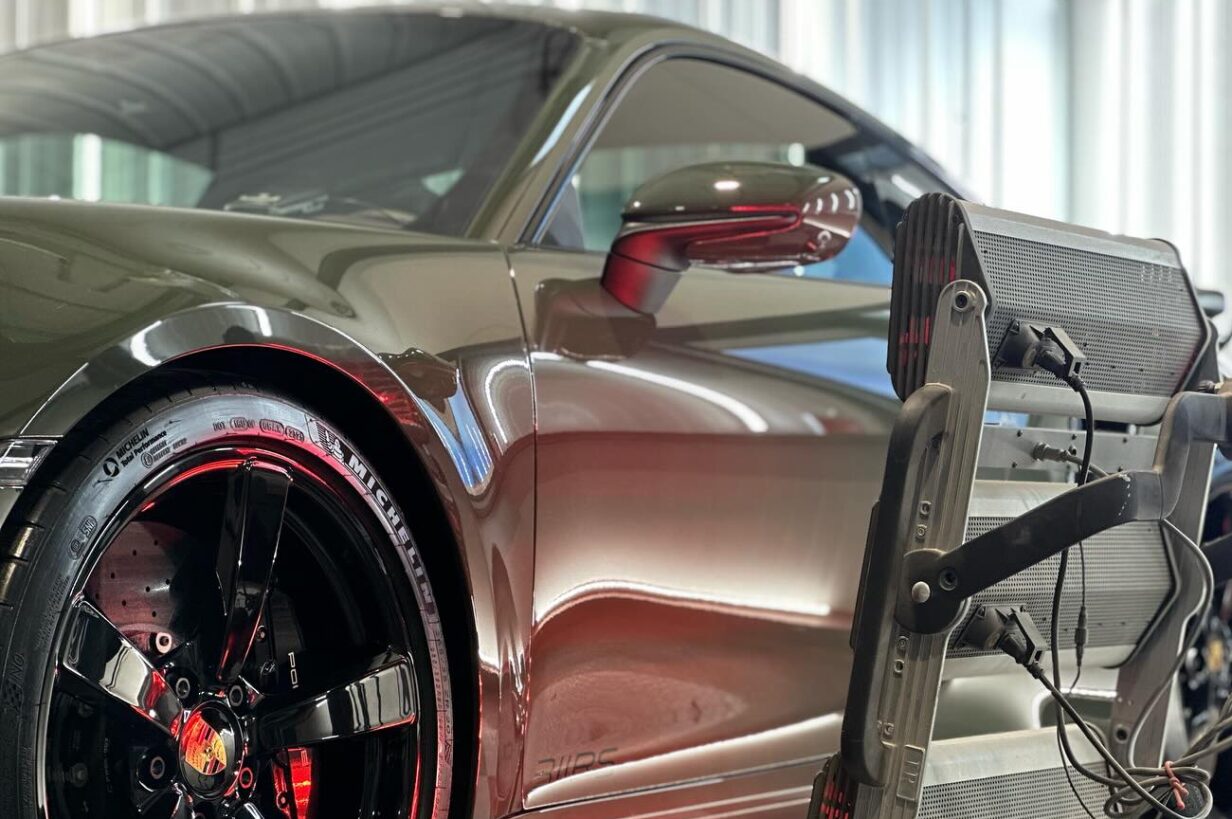
Is Ceramic Coating Worth It?
The Real Value of Ceramic Coating
Ceramic coating has become one of the most popular ways to protect vehicle paint—especially in climates like Texas, where UV, heat, hard water, and daily driving conditions create the perfect storm for paint damage. But the question most drivers ask is simple: Is ceramic coating actually worth it?
In the Texas Hill Country—including Boerne, San Antonio, and New Braunfels—ceramic coating tends to provide even more value. The combination of strong UV exposure, extreme heat, and mineral-rich water causes faster clear coat wear than in many other regions, making long-term paint protection especially beneficial.
For most vehicles, the answer is yes. But the true value of ceramic coating depends on several factors, including the quality of the coating, the amount of prep work, the installation process, and how long you plan to keep the vehicle. This guide breaks down everything you need to know so you can make an informed decision.
What You’re Really Paying For
Ceramic coating isn’t just a product—it’s a full service that includes prep work, paint correction, and professional installation. The true cost varies depending on:- The size of the vehicle
- The amount of paint correction required
- The coating brand and longevity rating
- The experience of the installer
- The condition of the paint
Typical Ceramic Coating Prices in Texas
While every vehicle is different, here’s what most drivers in the Hill Country can expect:Daily Drivers
Small to medium vehicles: $800–$1,500 Large SUVs/trucks: $1,200–$2,000High-End, Multi-Year Coatings
2–5 year coatings: $1,500–$3,000 Premium 7–10 year coatings: $2,500–$4,000+ Prices reflect professional prep work, correction, application, and curing—not a quick “wipe-on” job.Why Ceramic Coating Costs What It Does
Ceramic coating pricing is driven by the labor and expertise involved. Before a coating is applied, the vehicle undergoes extensive preparation. If you’ve never seen what high-level prep work looks like, our paint correction guide explains the entire correction process in detail. Proper prep includes:- Full decontamination
- Iron removal
- Clay bar treatment
- Paint inspection under LED lighting
- Single or multi-stage correction
- Panel wipe for bonding
Cost Breakdown: What You’re Actually Getting
1. Long-Term UV Protection
In the Texas Hill Country, UV intensity destroys unprotected clear coat quickly. Ceramic coating acts like a permanent sunscreen, helping prevent oxidation, fading, and clear coat failure. This alone saves thousands in repainting costs over time.2. Gloss and Depth That Lasts
Unlike wax or sealants—which you can compare in our Ceramic Coating vs Wax vs Sealant guide—ceramic coatings keep your vehicle glossy year-round. The coating amplifies clarity and color depth while resisting environmental damage.3. Easier Washing and Less Maintenance
Ceramic coatings are hydrophobic, meaning they repel water and dirt. Drivers in Boerne and San Antonio notice:- Faster washes
- Less dirt sticking to the paint
- Fewer water spots
- Fewer swirl marks
4. Paint Correction Savings
Without ceramic coating, paint correction is needed more often. Coatings help prevent swirl marks and oxidation, reducing the need for heavy correction over the life of the vehicle. If you’re unfamiliar with swirl marks and what causes them, our comparison post above is a great starting point.5. Increased Resale Value
Vehicles with ceramic coatings—especially professionally installed ones—tend to hold their value better, because the paint stays in excellent condition.When Ceramic Coating Is 100% Worth It
Ceramic coating is a smart investment if you:- Plan to keep your vehicle at least 3–5 years
- Live in Texas (UV + heat are brutal here)
- Don’t want to constantly wax or polish
- Want long-term gloss and easier maintenance
- Care about paint preservation
- Already invested in a paint correction
- Want your vehicle to look better than new
When It May Not Be Worth It
Ceramic coating may not be necessary if:- You plan to trade the vehicle within a year
- You rarely wash or maintain your vehicle
- The paint is badly damaged and needs repainting
- You keep your cars only for short-term use


No Comments