How to Weather Seal Your Car: Restore Rubber Seals and Weatherstripping
Rubber seals and weatherstripping are some of the most overlooked components on a vehicle. When they dry out, fade, or crack, they lead to wind noise, water leaks, sticking doors, and premature wear. Whether you drive in Texas heat or a colder climate, the rubber trim around your doors, windows, and trunk needs regular conditioning to stay flexible and seal tight.
Quick answer: To weather seal your car, clean the rubber seals with a dedicated rubber and plastic cleaner, then work a penetrating rubber conditioner (like the Nextzett Gummi Pflege Stift) into every door, window, and trunk seal. Let it absorb, reapply on badly dried-out sections, and wipe off any excess the next day. Recondition every 3 to 6 months in hot climates to keep the seals soft and watertight without replacing them.
At Carsmotology, we regularly restore rubber gaskets, window seals, and door weatherstripping using professional-grade products and techniques. If you are in Boerne, San Antonio, New Braunfels, or anywhere else, the same rule applies: clean first, condition properly, and allow absorption time.
How Do You Weather Seal Your Car? (Step by Step)
Weather sealing your car does not mean replacing parts. In most cases, the factory rubber is still there, it has just dried out and lost its ability to press tight and repel water. Restoring that flexibility is what seals the car back up. Here is the exact process we use in the shop.
Step 1: Clean the Surface First
Before conditioning, rubber must be free of dirt, oxidation, and old residue. Use a dedicated plastic and rubber cleaner to safely remove buildup. Skipping this step traps grime under the conditioner and is one of the biggest mistakes people make.
Step 2: Apply a Rubber Conditioner
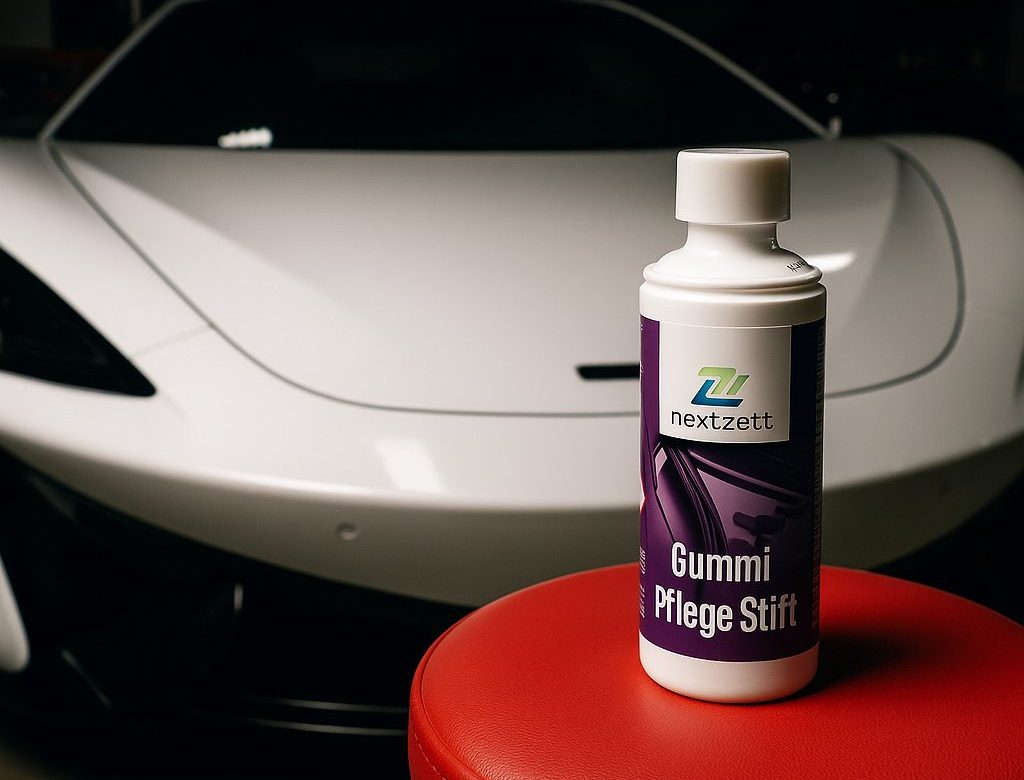
One of the products Jen has trusted for over a decade is the Nextzett Gummi Pflege Stift. This applicator-style treatment works like a conditioning balm for rubber. The foam tip lets you apply it directly onto seals and trim with control. Apply generously and work it in evenly along every door, window, trunk, and sunroof seal.
Step 3: Let It Absorb
Rubber that is severely dried out may need multiple passes. Keep applying until the material stops immediately soaking in the product, then let it sit, ideally overnight. The next day, wipe off any excess with a clean microfiber towel. That is it. Your car is weather sealed again, and the doors will close quieter and seal tighter.
Weatherstripping Repair: Fixing Worn, Torn, or Leaking Seals
Not every seal problem is just dryness. If you are chasing a water leak, a whistling door at highway speed, or a seal that has pulled loose, here is how to tell what you are dealing with:
- Dried out or hardened seal: This is the most common issue and the easiest fix. Clean and condition it as above and the rubber softens back up and seals again.
- Seal that has come unglued: Weatherstripping is held on with adhesive that can fail in heat. Reseat it with a trim adhesive made for rubber, then condition it so it stays flexible.
- Torn or crushed seal: If the rubber is physically torn, split, or permanently flattened, conditioning will not bring it back. That specific piece needs replacement, but the rest of the car usually just needs conditioning.
- Sticking doors in cold or heat: Almost always dried rubber grabbing the paint. Conditioning fixes it and stops the seal from tearing when the door is forced open.
The takeaway: most “worn out” door and window seals are not actually worn out, they are just thirsty. Condition first before you spend money replacing anything.
How to Restore Rubber Around Car Windows and Doors
The rubber around your windows and door frames takes the worst of the sun because it sits right at the top of the vehicle. To restore it, clean each run channel and beltline seal, then use the foam-tip applicator to push conditioner into the tight window channels and along the door gaskets. Work slowly around curves so the product reaches into the folds where the rubber cracks first. Restored window and door seals stop wind noise, keep rain out, and let the glass roll up and down smoothly again.
Why Rubber Seals Fail
Modern weatherstripping is constantly exposed to UV rays, heat cycles, moisture, and friction. Over time the material dries out and loses elasticity. This leads to:
- Wind noise at highway speeds
- Water leaks during rain
- Cracking and tearing
- Sticking doors in cold or hot weather
- A faded, gray appearance
Much like dry skin, rubber needs conditioning to stay flexible. In Texas, where cars bake in the sun year round, seals dry out faster than almost anywhere else, which is why local drivers see this problem early.
What Makes Gummi Pflege Stift Different?
Unlike greasy silicone dressings, this formula absorbs into the rubber rather than sitting on top. The result is:
- Restored elasticity
- Reduced squeaking
- Improved door seal performance
- UV protection
- An OEM-like finish, not shiny
That makes it ideal for modern vehicles where keeping the factory appearance matters. You can pick up the exact stick Jen uses on the Nextzett Gummi Pflege Stift product page.
How Often Should You Condition Rubber Seals?
In high-heat regions like Texas, conditioning every 3 to 6 months helps prevent premature cracking. Vehicles parked outdoors may need more frequent treatment. Regular maintenance reduces long-term repair costs and protects adjacent paint and trim surfaces.
Professional vs DIY Rubber Restoration
DIY maintenance is absolutely possible when the right products are used. However, during professional interior detailing and exterior detailing services, seals are cleaned thoroughly before conditioning to maximize longevity. For heavily neglected rubber, professional treatment ensures buildup is removed safely without damaging surrounding materials.
Why Rubber Maintenance Matters for Paint Protection
Dry seals can transfer contamination to paint surfaces and increase friction during washing. Proper rubber care supports overall vehicle protection, especially when paired with ceramic coating or paint protection film. Well-maintained trim enhances both protection and resale value.
Restore Your Rubber Seals in Boerne, San Antonio, and New Braunfels
Carsmotology serves Boerne, San Antonio, New Braunfels, and the surrounding Texas Hill Country. If your door and window seals are dried out, leaking, or letting in wind noise, we can restore them as part of a professional detail. Contact Carsmotology for expert guidance or to book a service.
Frequently Asked Questions
How do you weather seal your car?
Clean the rubber seals with a rubber and plastic cleaner, then apply a penetrating rubber conditioner to every door, window, and trunk seal. Let it absorb, reapply on badly dried-out areas, and wipe off any excess the next day. This restores the seals so they press tight and repel water again, no replacement needed.
Can you restore old, hardened rubber seals?
Yes. As long as the rubber is not torn or split, a quality conditioner will soften hardened, gray seals and bring back their flexibility. Severely dried seals may need two or three applications before they stop soaking in the product.
What is the best rubber seal restorer for a car?
Jen has used the Nextzett Gummi Pflege Stift for over a decade because it absorbs into the rubber instead of leaving a greasy silicone film. Its foam-tip applicator makes it easy to reach tight window channels and door gaskets.
Will conditioning fix a leaking or noisy door seal?
Often, yes. Most leaks and wind noise come from dried-out seals that no longer press flat against the body. Cleaning and conditioning restores the rubber so it seals tight again. If a seal is physically torn or has come unglued, it needs repair or replacement instead.
How often should I condition my car’s rubber seals?
Every 3 to 6 months in hot climates like Texas, and more often if the car is parked outdoors. Regular conditioning prevents cracking and keeps the seals watertight far longer than neglected rubber.
Related Carsmotology services in Boerne, San Antonio & New Braunfels: