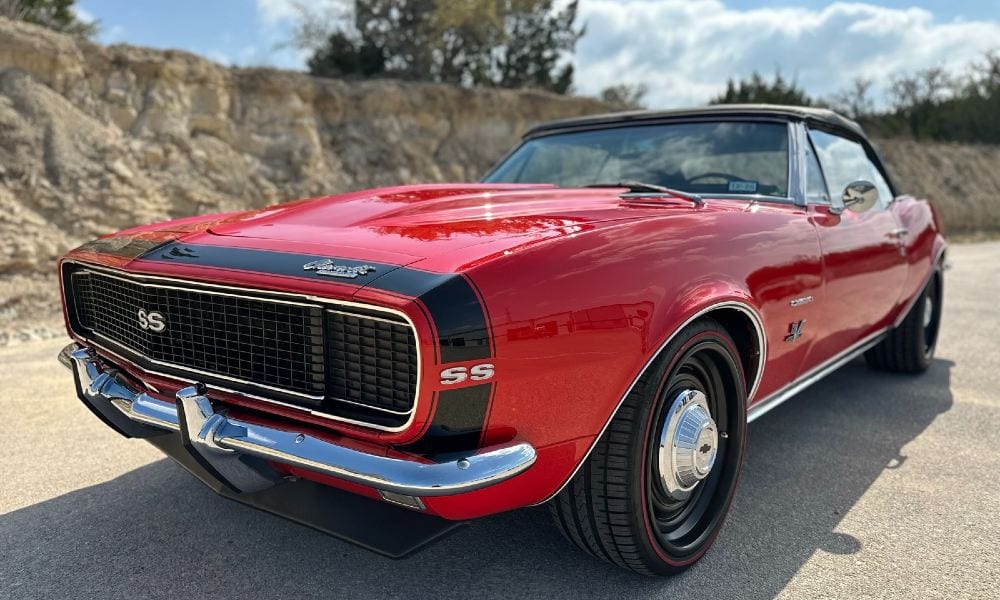
Bringing a 1967 Camaro SS/RS Back to Life with Paint Correction and Ceramic Coating
Some cars are special before they ever get to us, and this 1967 Chevrolet Camaro SS/RS was one of them. It is a true restomod, with classic Camaro looks and modern muscle under the skin. The owner brought it in because the paint needed some love, and that is exactly the kind of work we live for.
Here is the full story of how we brought this Camaro’s finish back to life, from the first wash to the final ceramic coating.
Quick Answer: What Did Carsmotology Do to This 1967 Camaro?
Carsmotology performed a full multi-stage paint correction on this 1967 Camaro SS/RS to remove rotary buffer trails and years of swirl marks, then protected it with CCi Revolution ceramic coating for a slick, high-gloss finish. We also ceramic coated the matte wheels, detailed the engine bay and door jambs, and cleaned up the interior and glass.
A Restomod Worth Doing Right
This is not a stock 1967 Camaro. It is a thoughtfully built restomod, and the list of work under the hood and underneath reads like a wish list. The engine bay was built out by our friends at Cruzers Customs, and they did an absolutely amazing job.
A few of the highlights on this car:
- 468 big-block engine
- Bowler transmission
- Vintage Air climate control
- Holley Sniper fuel injection
- Baer disc brakes with powder-coated mounts and calipers
- Ridetech subframe
- Dakota Digital radio
- Detroit Speed headlights, brake boosters, and windshield wiper conversion
- DeWitts dual-fan radiator
- Billet Specialties hose mounting clamps
- Forgeline wheels
When a car has this much invested in it, the paint deserves to match. That is where we came in.
Where We Started: Wash, Clay, and Inspection
Every job starts with a proper foundation. We began with a very thorough wash using a quality snow foam soap through a foam cannon to lift and rinse away as much dirt as possible before touching the paint, following a careful two-bucket wash method. From there we moved inside and did a full clay bar treatment to pull embedded contaminants out of the surface.
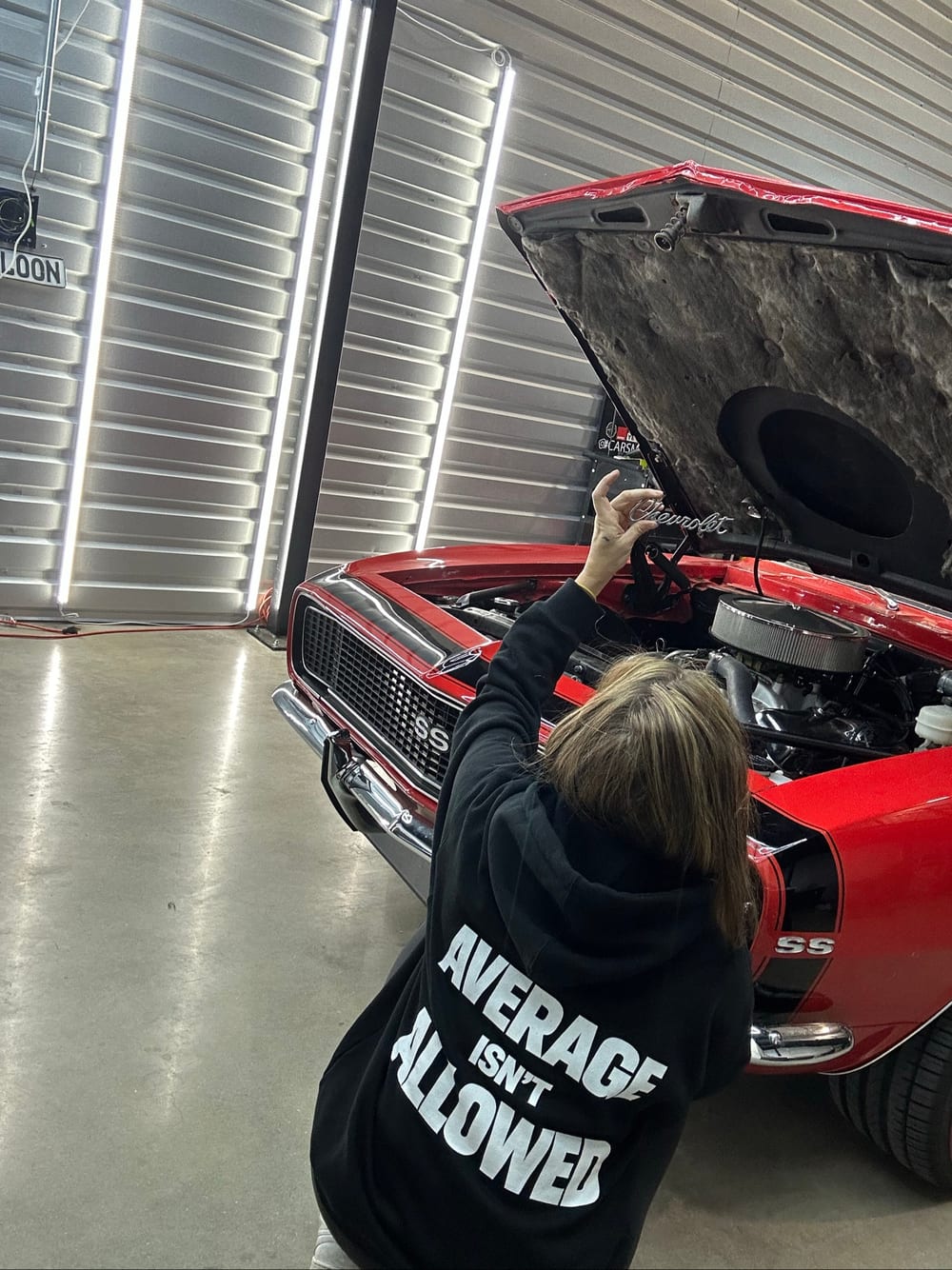
Then we taped off all the necessary edges and pulled the badges so we could correct every inch without risking the trim. During inspection we found something interesting. The rear trunk lid was still single-stage paint, while the rest of the car had been repainted at some point.
The Problem: Buffer Trails and Years of Swirls
After that repaint, it looked like someone had taken a rotary buffer to the paint. Combine those rotary buffer trails with years of normal driving scratches and no follow-up polishing, and you get a finish that looks tired and hazy instead of deep and glossy. That is exactly why the car was here. To bring it back to life.
This is one of the most common things we see on older and repainted cars. The color is there, but the clarity and gloss are buried under swirls and holograms. The fix is a careful, multi-stage paint correction.
Our Multi-Stage Paint Correction Process
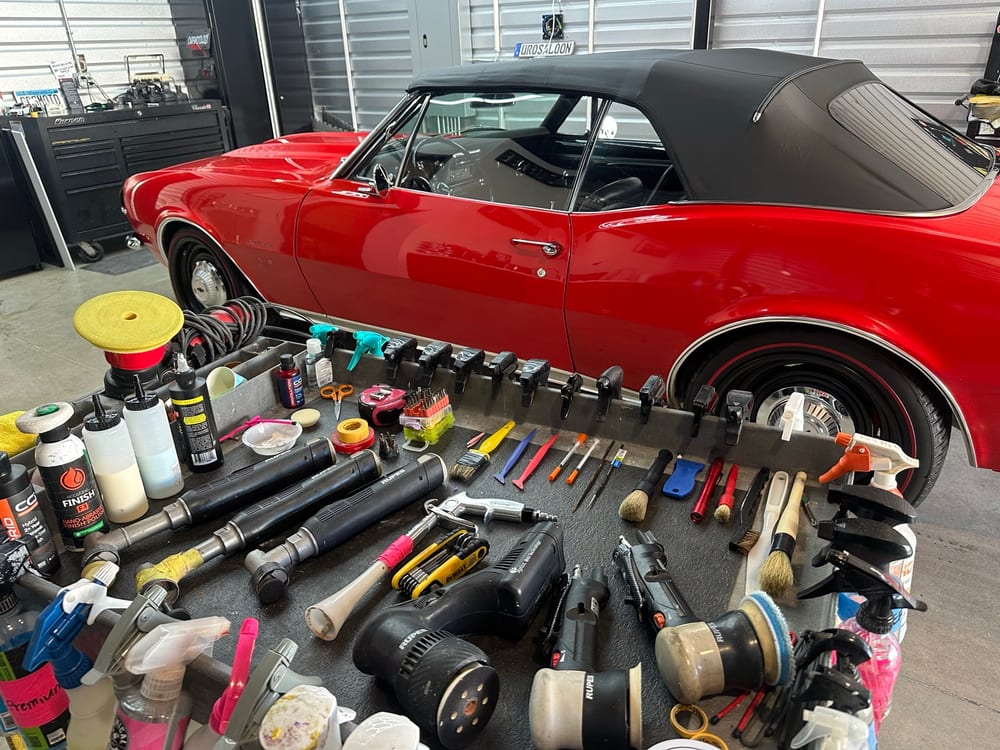
Our process on this one followed the same disciplined approach we use on most correction jobs. We started with a Rupes DA wool pad and a coarse compound on our Rupes Mark IV 15mm polisher to cut down the deeper defects and buffer trails. Then we refined the finish with a Rupes DA fine finishing pad and their fine polish to bring back clarity and gloss.
For the smaller and tighter areas that a larger polisher cannot reach, we pulled out the pneumatic and the iBrid Nano a couple of times to make sure nothing got left behind. Correction is only as good as its worst untouched spot, so those detail areas matter.
Engine Bay, Jambs, and Interior
Paint correction is the headline, but a proper detail is about the whole car. After polishing, we cleaned the door jambs, gave the already beautiful interior a light cleanup, and wiped down the engine bay to let the Cruzers Customs work shine the way it should.
These are the areas that separate a quick buff job from a real detail. When you open a door or pop the hood, everything should look just as cared for as the paint.
Locking It In with CCi Revolution Ceramic Coating
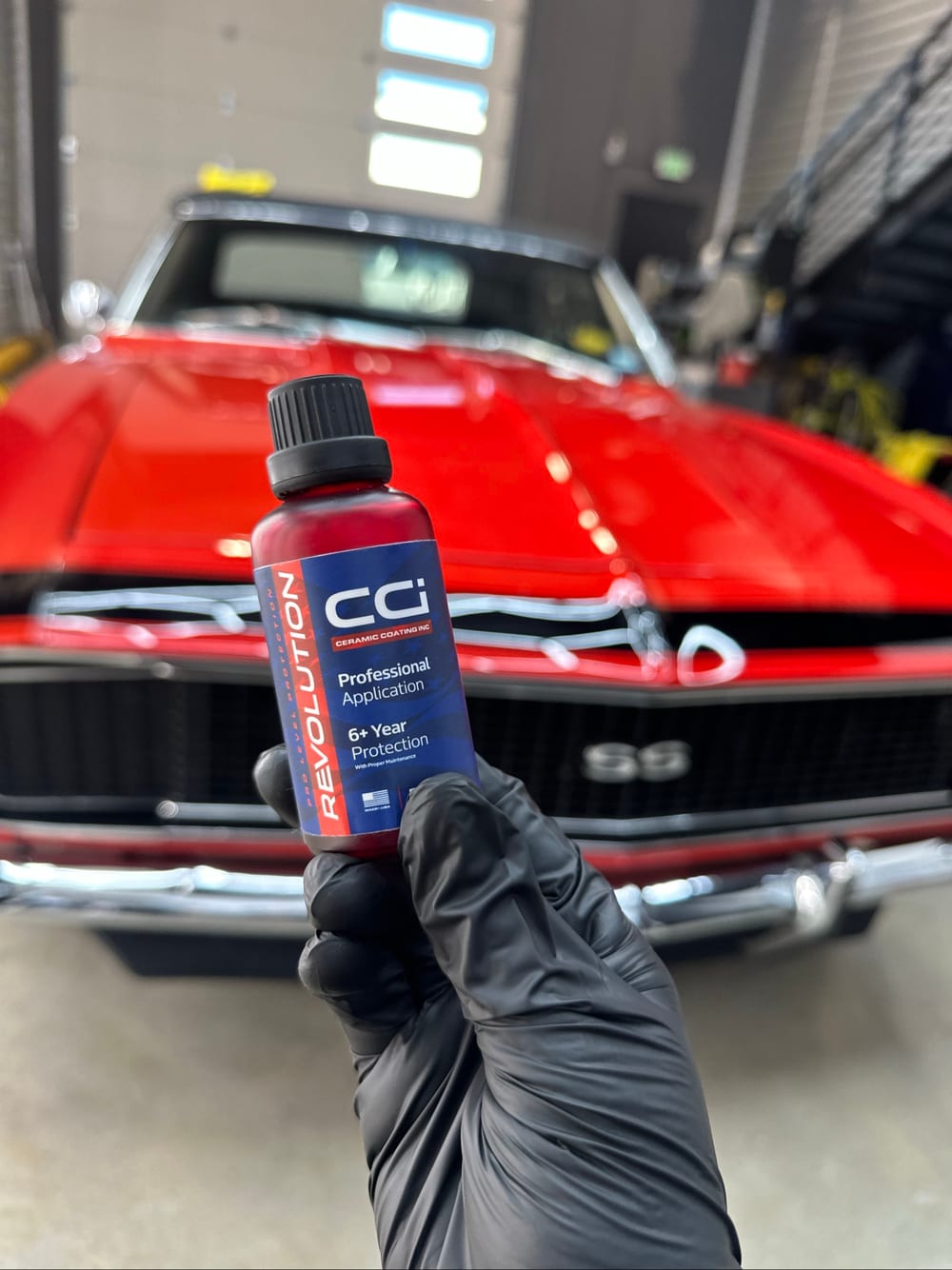
Before any protection goes on, the paint has to be truly clean at a microscopic level. We used CCi panel prep to pull and dissolve any polishing oils left in the pores of the paint, so the coating could bond properly. Skipping this step is one of the biggest reasons coatings fail early.
For protection on this Camaro, we chose CCi Revolution. It really toughens up the paint, adds a super slick surface, and deepens the gloss. On a restomod like this, that combination of durability and shine is exactly what the owner wanted.
Protecting the Matte Wheels Too
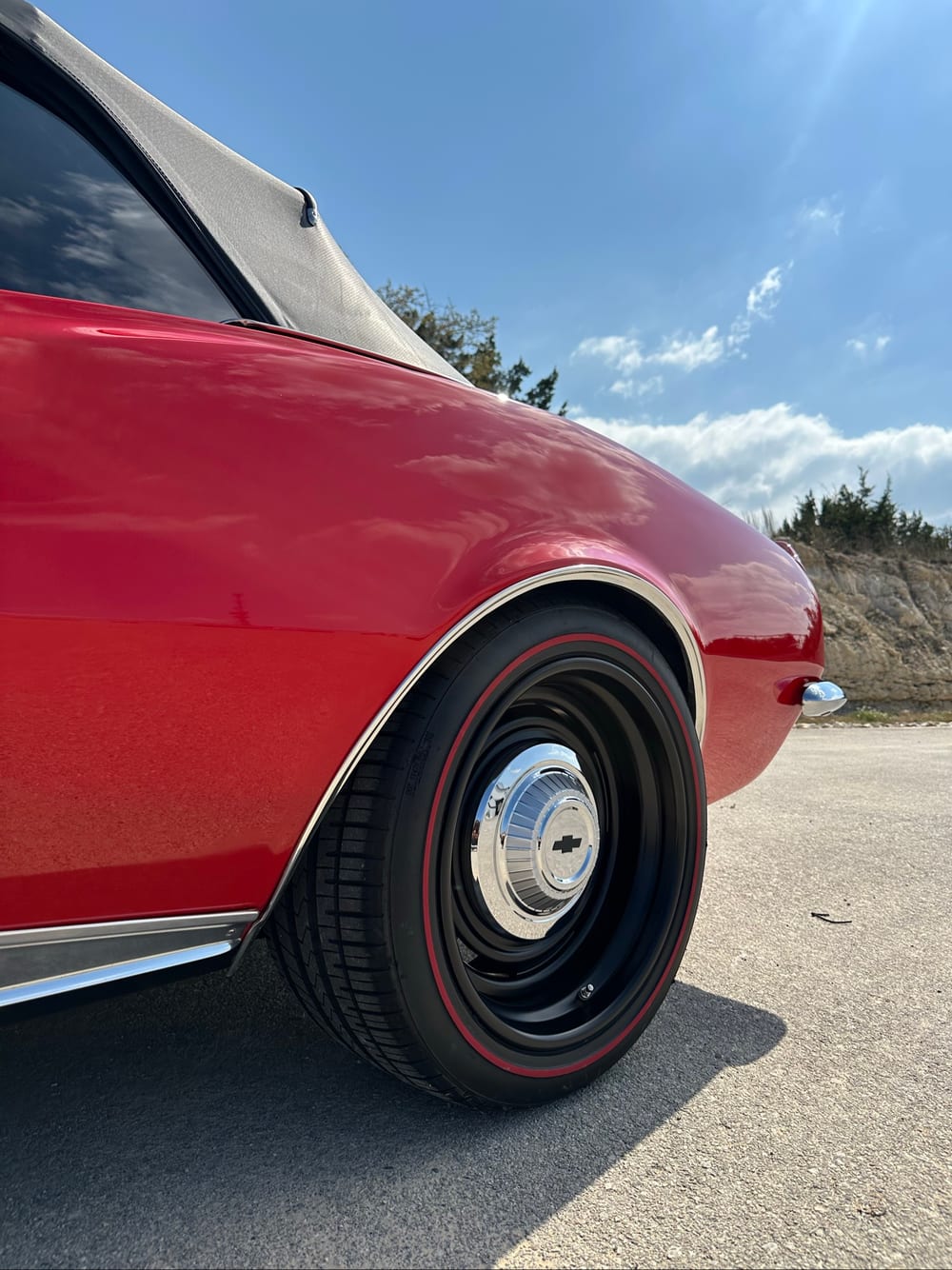
The Forgeline wheels on this car have a matte finish, and matte surfaces are more porous than you might expect. We added a 12-month ceramic coating to the wheels to create a barrier that fills those pores, repels brake dust and road grime, and keeps them looking newer for longer. The bonus is that coated wheels are far easier to clean.
The Finished Camaro
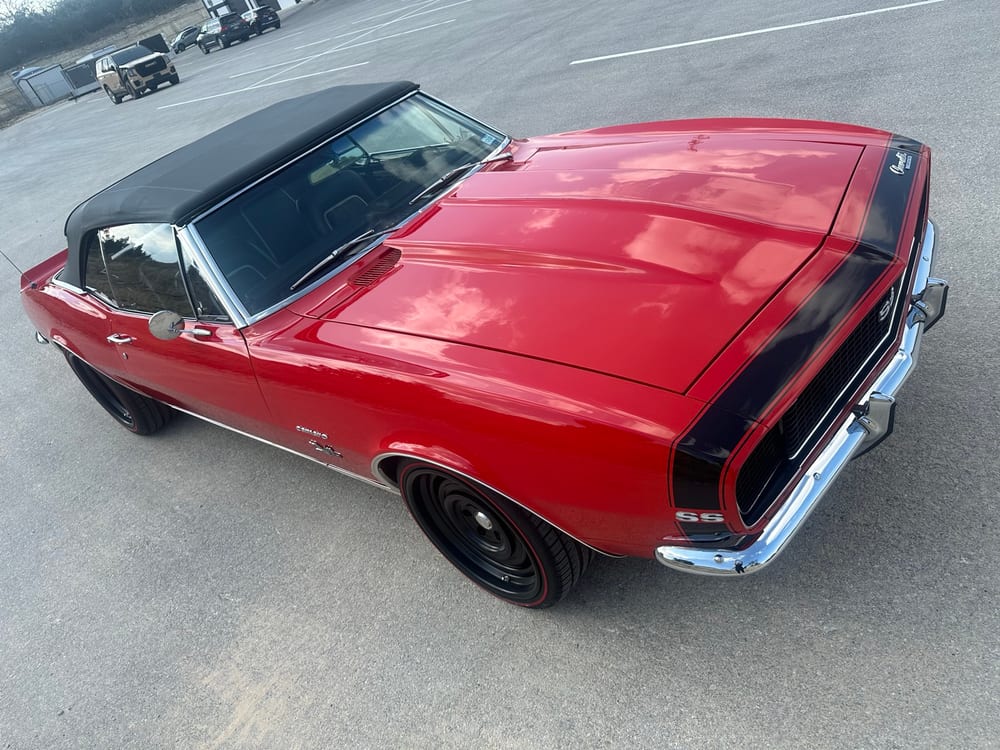
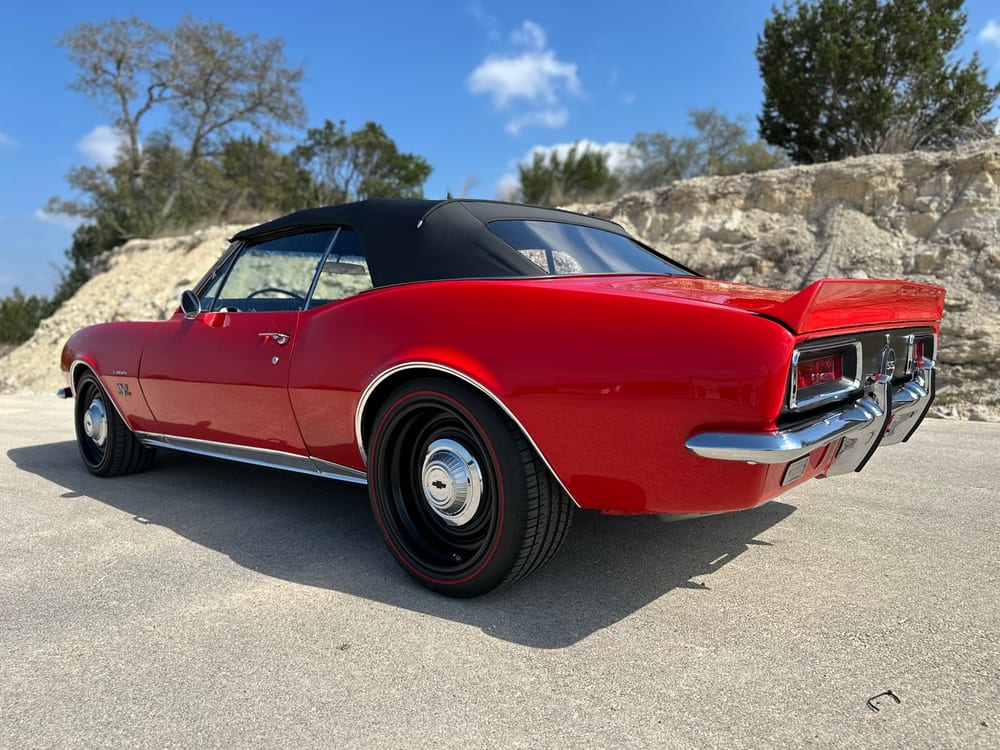
Once the coating cured, we replaced the badges, cleaned up the windows, and took her out for some photos. The paint went from hazy and swirled to deep, clear, and slick, with reflections that actually show off the color the way it was meant to look.
This is the part of the job we love most. Handing a car back to its owner looking better than it has in years, with protection that will keep it that way.
Want This for Your Classic or Restomod?
Whether you have a numbers-matching classic or a modern restomod, the same principles apply. A proper multi-stage correction removes the defects, and a quality ceramic coating protects the result. Learn more about our professional paint correction in Boerne, San Antonio, and New Braunfels, or explore our ceramic coating services to keep that finish protected for the long haul. You can also shop the same kind of gear we use in our paint correction and ceramic coating product collections.
Love classic builds? Check out how we brought a 1960 Impala back to life with paint correction and a ceramic coating as well.
Frequently Asked Questions
What is paint correction on a classic car?
Paint correction is a multi-stage polishing process that removes swirl marks, buffer trails, oxidation, and light scratches from the clear coat or single-stage paint. On a classic or restomod, it restores the depth, clarity, and gloss that get buried over years of driving and improper buffing.
Can you fix rotary buffer trails and holograms?
Yes. Rotary buffer trails, also called holograms, are one of the most common defects we correct. We cut them out with a compounding stage, then refine the finish with a fine polish so the paint looks clear and swirl free instead of hazy.
Why does a car need a ceramic coating after correction?
Paint correction removes defects but does not protect the paint. A ceramic coating locks in the freshly corrected finish, adds a slick hydrophobic surface, deepens the gloss, and makes the car far easier to wash and maintain. It is the step that keeps your correction looking great for years.
Can you ceramic coat matte wheels?
Yes. Matte and powder-coated wheels are porous and benefit a lot from a ceramic coating. The coating fills the pores, repels brake dust and road grime, and makes the wheels much easier to clean without changing their matte look.
Do you detail classic cars near San Antonio and New Braunfels?
Yes. Carsmotology is based in Boerne and proudly serves Boerne, San Antonio, New Braunfels, and the surrounding Texas Hill Country. We work on everything from daily drivers to classics, restomods, and exotics.
Book Your Detail with Carsmotology
If your classic, restomod, or daily driver deserves this level of care, we would love to help. Carsmotology specializes in paint correction, ceramic coatings, and paint protection for clients throughout Boerne, San Antonio, and New Braunfels. Contact us to request a quote or schedule your detail.