1960 Impala Paint Correction and Ceramic Coating by Carsmotology
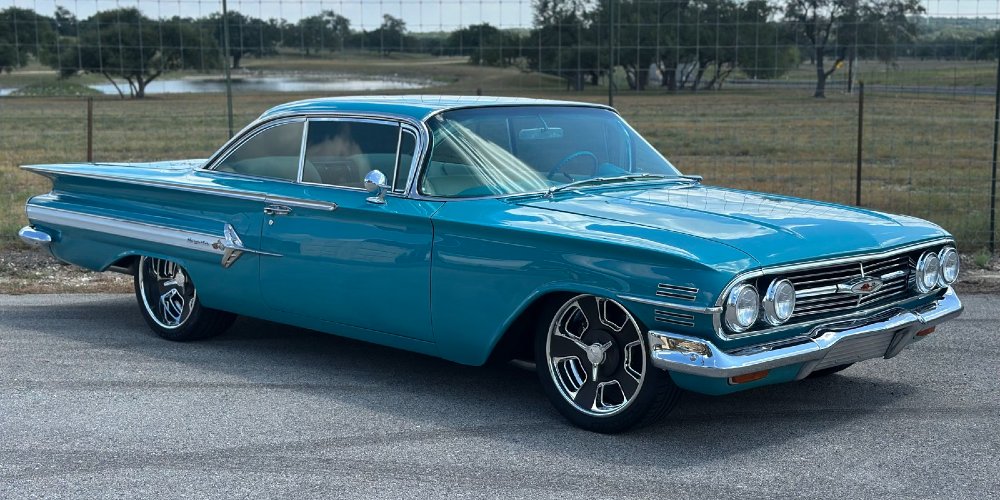
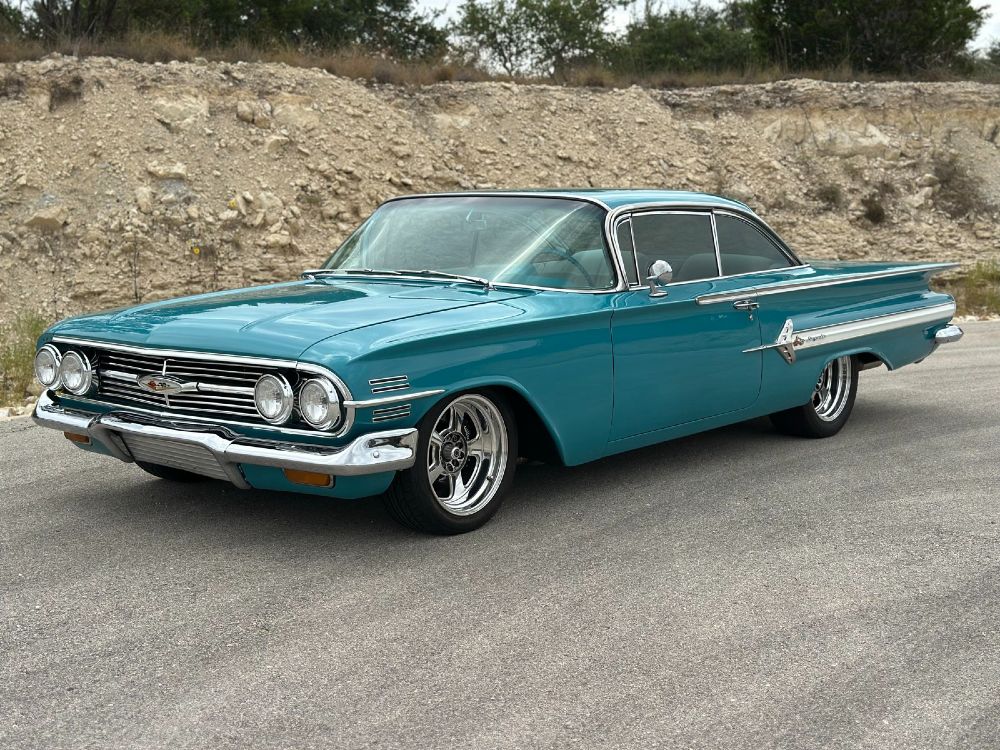
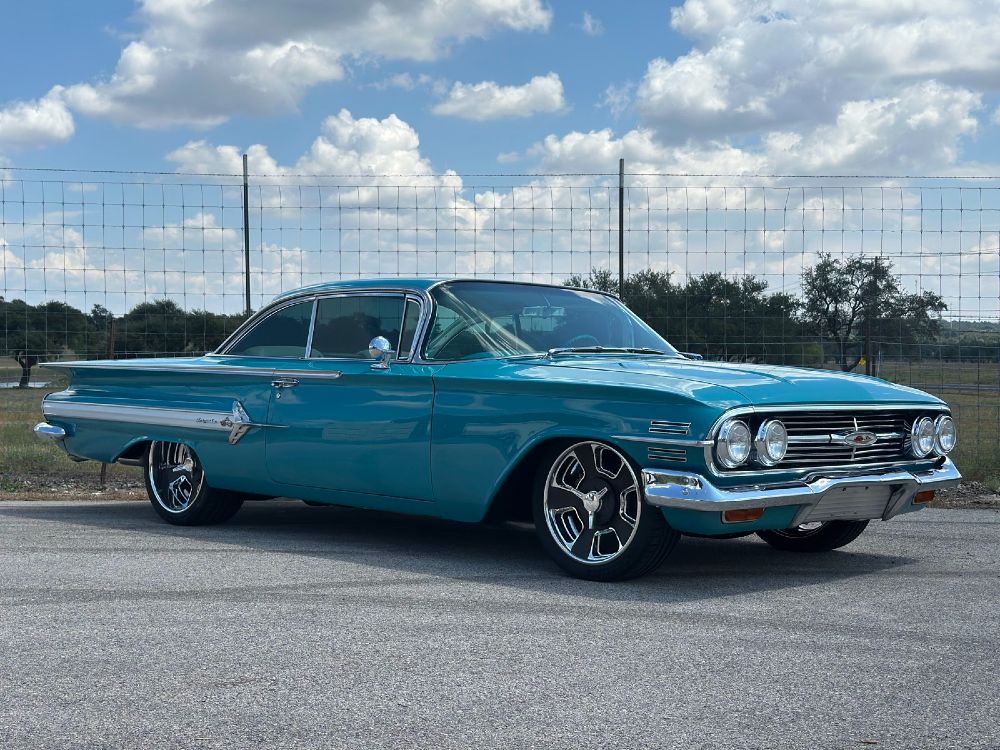
Bringing a 1960 Chevrolet Impala back to life takes patience, the right tools, and a real respect for the car. This turquoise Impala arrived at Carsmotology with tired, weathered paint, and the goal was to restore deep clarity and gloss without cutting corners on a classic worth protecting.
Below is the full breakdown of how we approached this build, from decontamination through a multi-step paint correction and a long-lasting ceramic coating. It came together alongside our friends at Cruzer’s Customs, a shop we trust and love to work with.
Quick Answer: What Did This 1960 Impala Detail Involve?
This 1960 Chevy Impala received a full wash and clay bar decontamination, a multi-step paint correction using Rupes polishers and pads, and a CCI Advanced Ceramic Coating rated for roughly 30,000 to 50,000 miles of durability. We also removed the mirrors and emblems to correct the paint underneath, then polished the chrome, taillights, and aluminum wheels.
Starting Point: Why This Classic Needed Attention
The paint had seen a lot of life and clearly needed help. On a car this age, some of the panels and body lines are tricky to reach, so the plan had to account for the tight curves and contours that make an Impala so recognizable.
Correcting a classic is different from working on a modern daily driver. The approach has to be deliberate, especially around edges and complex shapes where too much aggression can do more harm than good.
Wash and Clay Bar Decontamination
Every proper correction starts with a clean, decontaminated surface. We performed a thorough wash, then used a clay bar across the paint to pull out embedded contamination that washing alone cannot remove.
Skipping decontamination is one of the most common mistakes we see. Polishing over bonded contaminants just grinds them into the finish, so this step sets up everything that follows. You can read more about how to use a clay bar correctly if you want to understand why this matters.
Multi-Step Paint Correction on the Curves
Once the paint was clean, the correction began. This car called for a mix of machines and pads to reach every area, and certain sections needed more work than others.
The rear hips were the real challenge. They are heavily curved, which makes them tough to reach with a standard polisher. For those areas we ran a rotary with a three-inch backing plate and a compact wool pad, which let us get right into the contours and perform a three-step correction where it was needed most.
For the main panels, we used a Rupes 15mm Mark 5 polisher paired with a Rupes blue coarse DA wool pad and DA compound to remove defects and restore clarity. We then finished with Rupes DA fine polish on a soft yellow pad to refine the gloss and bring out true depth in the color.
If you are unsure whether your own vehicle needs this kind of work, here are 5 signs your car needs paint correction. For a full-service correction like this one, learn more about our professional paint correction in Boerne and San Antonio.
Removing Mirrors, Emblems, and Trim
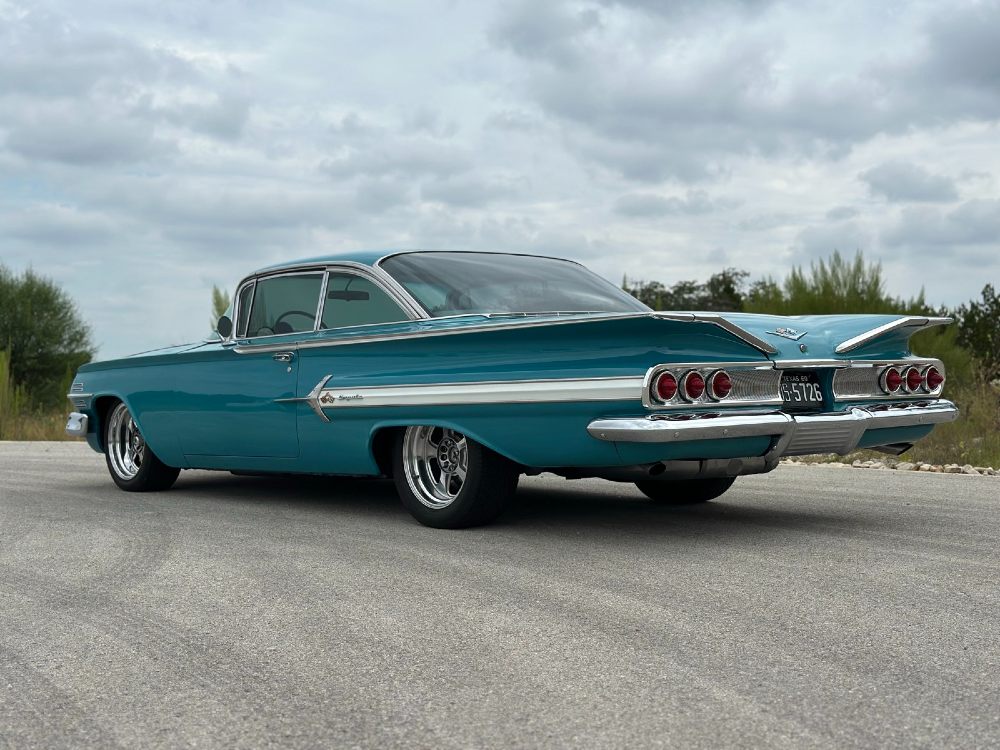
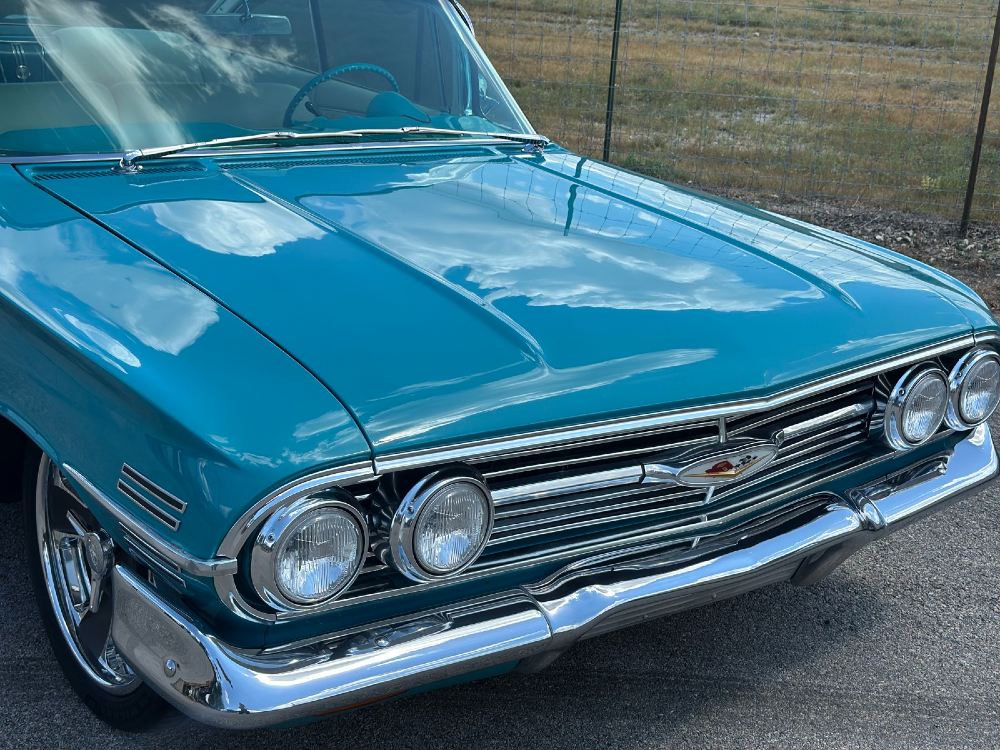
Detail work lives in the areas most shops skip. To get a truly complete result, we removed the side mirrors and both the front and rear emblems so we could polish the paint underneath and eliminate the scratching that hides around badges and trim.
We also polished the mirrors themselves, brought the taillights back to clarity, and shined up the polished aluminum wheels. Little things like these are what separate a quick buff from a real restoration.
Ceramic Coating for Long-Term Protection
After correction, protecting that fresh finish is essential. We used a CCI prep wipe across the entire surface to pull any polishing oils out of the pores of the paint, which ensures the coating bonds correctly rather than sitting on top of residue.
We then applied CCI Advanced Ceramic Coating, which delivers a durability rating in the range of 30,000 to 50,000 miles with proper care. A ceramic coating adds a hydrophobic, easy-to-clean layer that helps preserve all of the correction work we just completed. If you are weighing your options, our guide on ceramic coating versus PPF breaks down the differences, and you can explore our ceramic coating services for your own vehicle.
A Team Build with Cruzer’s Customs
This Impala was a collaborative build, and we were glad to be part of it. Our friends at Cruzer’s Customs, a specialty hot rod shop in New Braunfels, handled the engine work and added a digital gauge setup, then swapped the wheels for a fresh new set.
They also brought in Subzero Restoration for dry ice blasting to get everything that much more perfect. Working with talented shops like Cruzer’s is one of our favorite parts of the job, and it lets each business focus on what it does best.
The Result
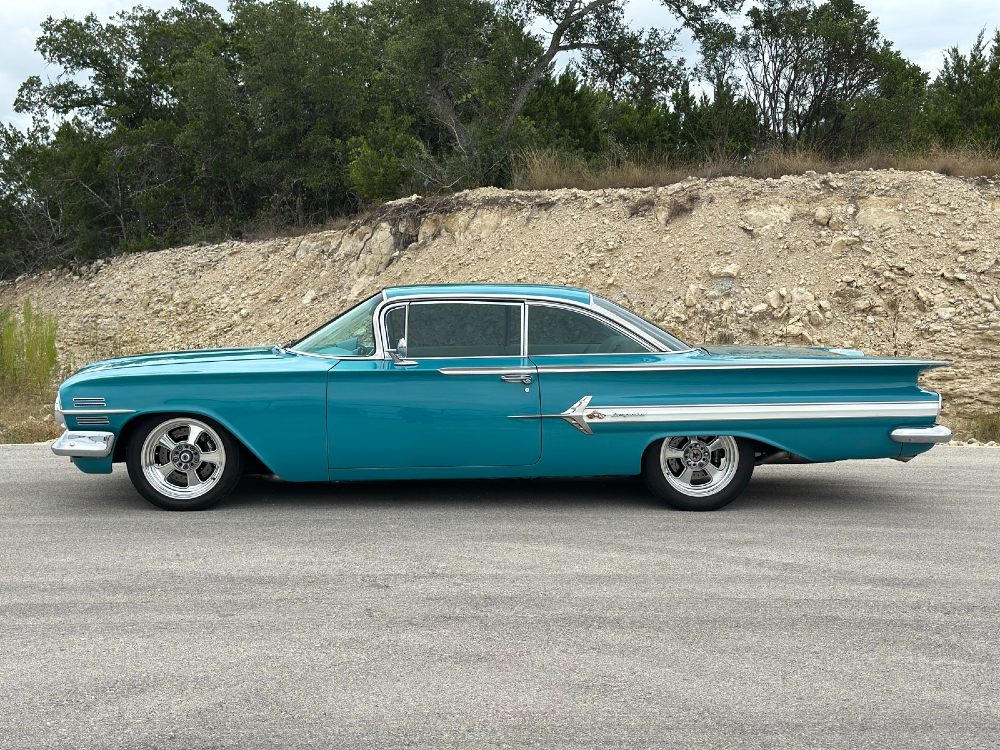
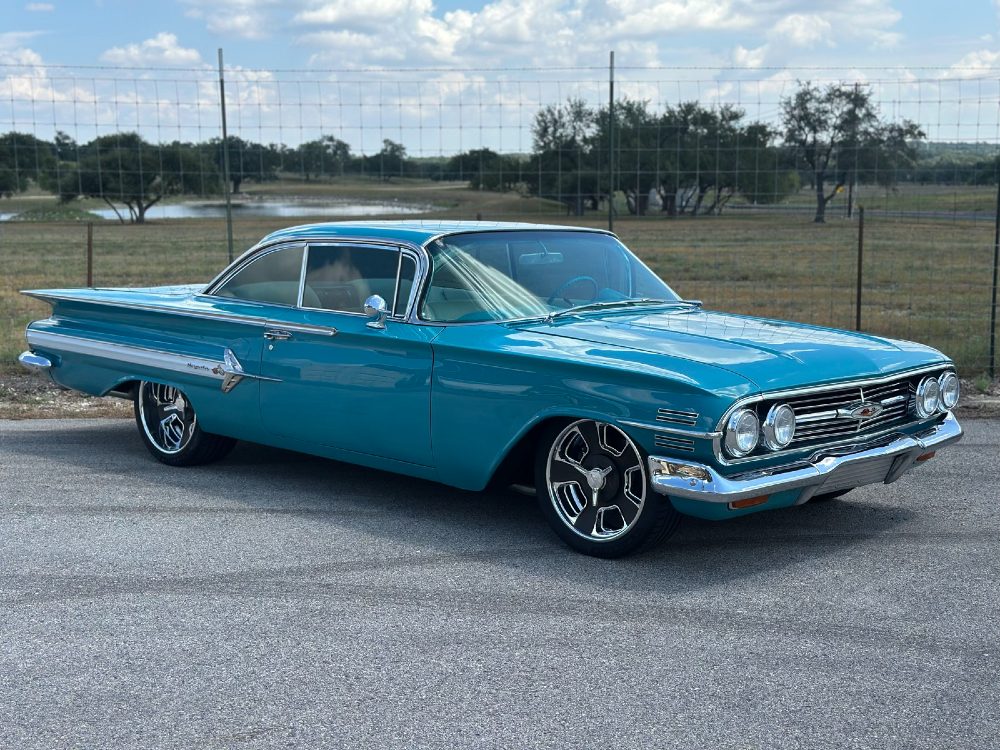
The finished Impala came out absolutely stunning. The turquoise paint carries deep reflections, the chrome and taillights are crisp, and the whole car looks the way a 1960 Impala deserves to look. Best of all, the customer was thrilled, and seeing that reaction is what makes this work worth it.
Frequently Asked Questions
How long does paint correction take on a classic car like a 1960 Impala?
It varies with the condition of the paint and the complexity of the body, but a multi-step correction on a classic can take multiple days. Curved panels and areas that require disassembly add time, since reaching every contour properly cannot be rushed.
What is CCI Advanced Ceramic Coating and how long does it last?
CCI Advanced is a professional-grade ceramic coating that bonds to properly prepped paint and provides a durability rating in the range of 30,000 to 50,000 miles with correct washing and maintenance. It adds gloss, hydrophobic protection, and easier cleaning.
Why remove the emblems and mirrors during a detail?
Removing emblems, mirrors, and trim lets us polish the paint underneath and remove scratching that otherwise stays hidden around those areas. It produces a cleaner, more complete result with no leftover buildup lines.
Is paint correction safe for older single-stage or original paint?
Yes, when it is done carefully. Classic and delicate finishes require a conservative, measured approach with the right pads and reduced aggression in high-risk areas. The goal is enhancement and preservation, not removing more material than necessary.
Do you detail classic cars near San Antonio and New Braunfels?
Yes. Carsmotology is based in Boerne and proudly serves Boerne, San Antonio, New Braunfels, and the surrounding Texas Hill Country. We work on everything from daily drivers to classics and exotics.
Book Your Detail with Carsmotology
If you have a classic or a daily driver that deserves this level of care, we would love to help. Carsmotology specializes in paint correction, ceramic coatings, and paint protection film for clients throughout Boerne, San Antonio, and New Braunfels. Contact us to request a quote or schedule your detail.