What Is Single Stage Paint? A Detailer Explains (vs Clear Coat)
If you have ever watched a detailer polishing a car and noticed colored residue building up on the buffing pad, you have seen one of the clearest signs of single stage paint. It is a topic that trips up a lot of car owners, because most modern vehicles are painted a completely different way. Here is a plain-English breakdown of what single stage paint actually is, how it differs from the clear coat paint on newer cars, and why it matters when it comes time to polish or correct the finish.
Quick answer: Single stage paint is paint where the color and the clear are mixed together and sprayed on as one layer, with no separate clear coat on top. Most older and classic cars use it. Modern cars almost always use a two-stage system: a base color coat with a separate clear coat over it. You can spot single stage paint while polishing because the color transfers onto the pad.
Watch: What Single Stage Paint Looks Like While Polishing
What Is Single Stage Paint?
Single stage paint is exactly what the name suggests: it is applied in a single stage. The pigment (the color) and the clear resin that gives it gloss are mixed together and sprayed onto the car at the same time. There is no separate topcoat or clear layer over it. The color and the protection are all one and the same layer.
This was the standard way cars were painted for decades, which is why you will find single stage paint on most classic, vintage, and older vehicles. One interesting benefit is that mixing everything together can actually offer some extra UV protection compared to certain finishes, since the color and resin are one solid layer.
Single Stage Paint vs Clear Coat: What Is the Difference?
Most modern vehicles do not use single stage paint. Instead they use a two-stage, or base coat and clear coat, system. Here is how the two compare:
- Single stage paint: Color and clear are blended and sprayed together as one layer. Common on classic and older cars. When you polish it, color comes off onto the pad because you are working directly on the pigmented layer.
- Base coat and clear coat (two-stage): The color goes down first, then a separate clear coat is sprayed on top. The clear coat is what you actually polish and correct on a modern car, and it protects the color underneath. When you polish it correctly, no color should transfer to the pad.
There is also a third thing worth knowing about: a tinted clear coat. If you are polishing and get a very light tint of color onto the pad, rather than the true paint color, you may be working with a tinted clear coat. That is a clear coat with a dye or pigment added to it, which changes the look of the finish while still acting as a protective clear layer.
How to Tell If Your Car Has Single Stage Paint
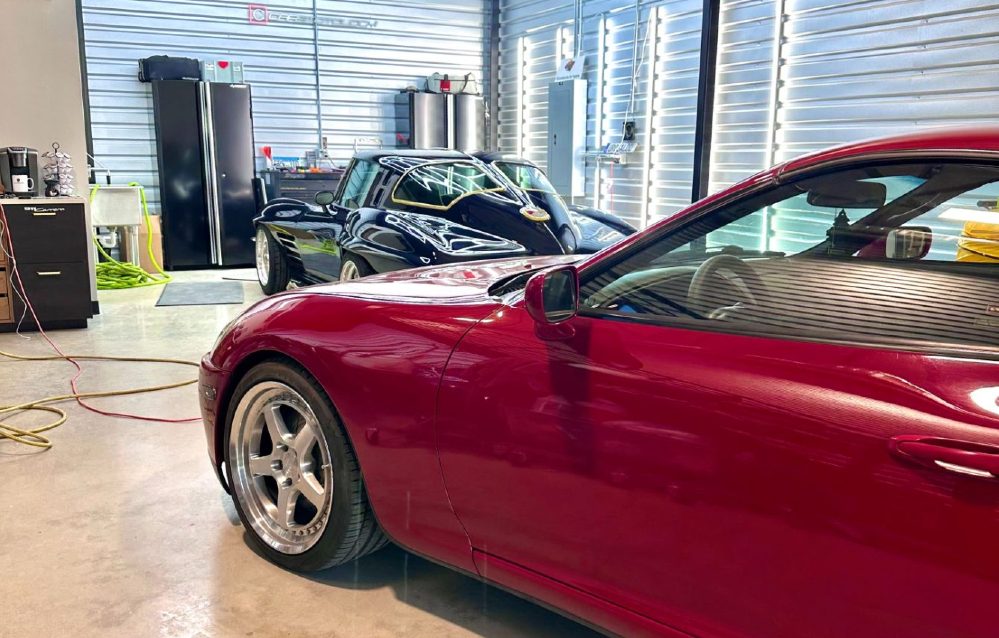
The easiest way to identify single stage paint is while polishing. If the buffing pad picks up the car’s actual paint color as you work, that finish is single stage. On our Supra example, the pad showed red because the red pigment and the clear were one combined layer. On a modern clear-coated car, the pad stays clean because you are only refining the clear on top. A faint tint on the pad usually points to a tinted clear coat rather than true single stage paint.
Why It Matters When Polishing or Correcting Paint
Knowing which type of paint you are working with changes how you approach paint correction. Single stage paint has no protective clear layer, so you are polishing the color itself. That means being more careful and deliberate, because there is less material to work with and every pass is removing a tiny amount of the actual color. This is where a controlled technique matters most. The same careful, heat-managed approach applies to fixing other etched-in defects, like removing hard water spots from a clear coat.
One combination we have been really liking is the Rupes LHR Mark III polisher paired with a medium cut DA wool pad and a fine DA polish. It is a versatile, capable combo. Two of the pieces we reach for are the Rupes DA Coarse Wool Pad for cutting and the Rupes DA Coarse Compound, both available in our shop. The technique that makes the biggest difference is speed and patience: move the polisher slowly, almost at a turtle-power pace, and do not park it in one spot. The goal is to gently heat the polish and the paint and cycle the polish enough that you can watch the scratches clear out in real time. Keeping a light angled across the panel while you work helps you see exactly when the defects disappear, so you stop at the right moment instead of over-polishing.
Why We Run an Air Scrubber in the Shop
Polishing and sanding create a lot of fine dust, and a clean shop environment leads to a cleaner finish. That is why we added an air scrubber to the shop. It pulls shop air through a filter, using a Tornador tool to spray out the buffing pads into a tube that carries the dust to a central filtered unit and exhausts clean air out the other side. It has made a noticeable difference in keeping airborne dust down while we work. A cleaner air environment means fewer contaminants landing on freshly polished paint.
Professional Paint Correction in Boerne, San Antonio, and New Braunfels
Whether your car has classic single stage paint or a modern clear coat, correcting it properly takes the right products, the right technique, and a clean environment. For a real-world look at the process, see this 1969 Monza Red Corvette single-stage correction. Carsmotology serves Boerne, San Antonio, New Braunfels, and the surrounding Texas Hill Country. If you want your paint safely polished and restored, learn more about our paint correction services, or protect the results afterward with a ceramic coating. Have a question about your vehicle’s paint? Contact Carsmotology and we are happy to help.
Frequently Asked Questions
What is single stage paint?
Single stage paint is a finish where the color pigment and the clear resin are mixed together and sprayed onto the car as one layer, with no separate clear coat on top. It was the standard on most older and classic vehicles.
How do I know if my car has single stage paint?
The clearest test is polishing. If the car’s actual paint color transfers onto the buffing pad as you polish, the finish is single stage. On a modern base coat and clear coat car, the pad stays clean because you are only polishing the clear layer.
Is single stage paint better than clear coat?
Neither is strictly better, they are just different. Single stage paint can offer some added UV protection and is prized on classic cars for its authentic look, while a base coat and clear coat system gives modern cars a protective clear layer that is safer to polish and correct.
Can single stage paint be polished and corrected?
Yes, but it requires more care because you are polishing the color itself rather than a clear coat on top. A slow, controlled technique with the right pad and polish removes defects while preserving as much of the paint as possible.
What is a tinted clear coat?
A tinted clear coat is a clear coat that has a dye or pigment added to it. It changes the appearance of the finish while still acting as a protective clear layer. While polishing, a tinted clear coat leaves only a faint tint on the pad, unlike single stage paint, which transfers the full paint color.