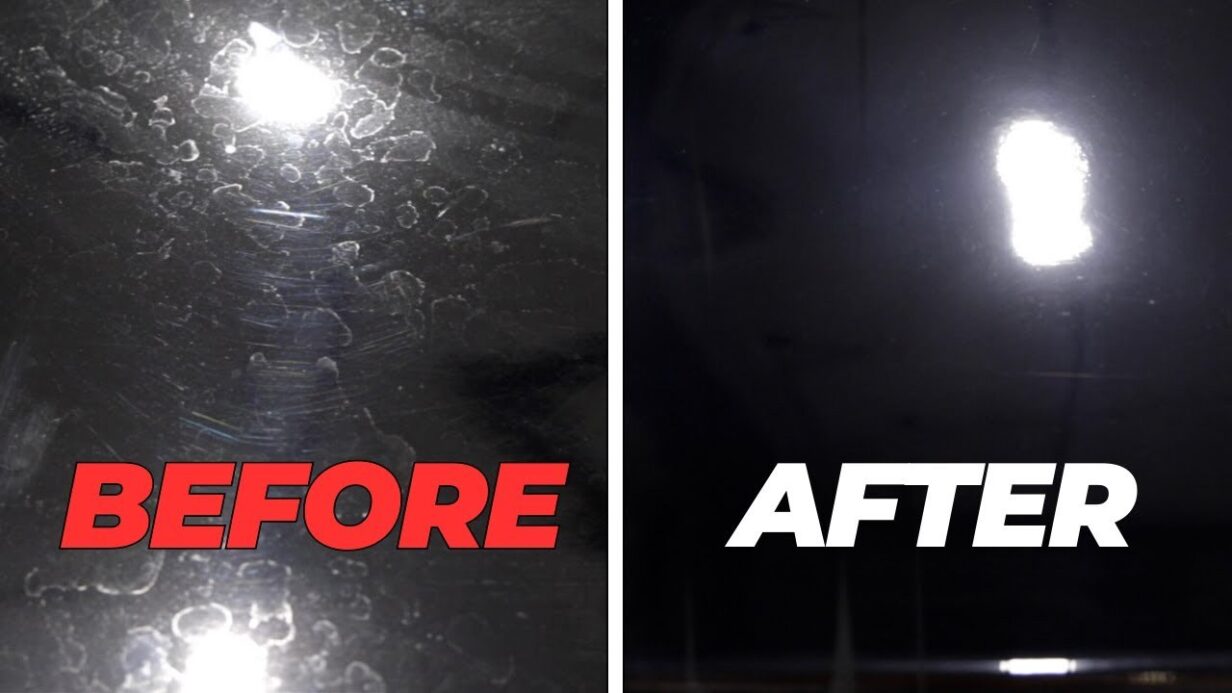
How to Remove Hard Water Spots on a Car (From a Pro Detailer)
Hard water spots are one of the most common paint problems we see, and one of the most misunderstood. You wash the car, take a water spot remover to them, and they will not budge. That is because bad water spots are not just sitting on top of the paint. They have etched into it, and removing them safely takes the right approach. Here is exactly how we remove hard water spots at the shop, including the mistakes that can permanently damage your paint if you rush it.
Quick answer: Light hard water spots can sometimes be removed with a dedicated water spot remover or a vinegar-and-water solution followed by a thorough wash. Deeper spots that have etched into the clear coat need machine polishing with a cutting compound. The key is to keep the paint cool and use quick, controlled passes so you cut through the spot without over-heating the surface, which can create craters or phantom spots that reappear in the sun.
Watch: Removing Hard Water Spots From a Porsche
In this one we tackled some really bad water spots on a Porsche that had been sitting outside. The paint was in good shape when it arrived, but after sitting out it picked up heavy spotting that a wash and a water spot remover could not touch. Here is the process and the reasoning behind every step.
What Causes Hard Water Spots on Car Paint?
Hard water spots form when mineral-heavy water lands on your paint and dries in the sun before it is wiped away. As the water evaporates, it leaves behind dissolved minerals like calcium and magnesium. On a mild spot, that mineral deposit just sits on the surface. On a bad one, those minerals actually etch a ring down into the clear coat, which is why washing does nothing.
The usual culprits are things you might not expect:
- Sprinklers. This is a big one. Lawn sprinklers hitting a parked car over and over will really mess up the paint, because it is the same spot getting soaked and baked repeatedly.
- Rain runoff from certain trees. Sometimes rain falls through a tree and picks up something on the way down, and it does strange things to the paint where it lands.
- Sitting outside near a wash-down area or building runoff, where mineral water repeatedly splashes and dries on the same panels.
Can You Remove Water Spots Without Polishing?
For fresh, light spotting, yes. Before you reach for a machine, it is worth trying the gentle options first:
- A dedicated automotive water spot remover, used exactly as the label directs.
- A 50/50 distilled water and white vinegar solution, misted onto the spots, given a minute to work, then washed off completely and dried with a clean microfiber.
If the spots come back clean, great, you caught them early. But if you have already tried washing and a water spot remover and the spots are still there, like the Porsche in the video, that means the minerals have etched into the clear coat. At that point, the only real fix is to polish them out.
How to Polish Out Etched Water Spots (The Safe Way)
This is machine polishing, or paint correction, and it is where most of the damage from DIY attempts happens. Done right, it removes the etched spots while preserving as much clear coat as possible. Done wrong, it can leave permanent craters. Here is how we approach it.
1. Use a Cutting Compound and a Good Buffer
Our favorite combination for this kind of work is a Rupes coarse DA compound. The reason we like a dual-action polisher for this is that it keeps rotating and it is forgiving. You can lean on it a bit without immediately burning through paint, which matters when you are working etched spots.
2. Keep the Paint Cool: Do Not Heat It Up
This is the single most important rule. If you heat the paint up too much while polishing, two bad things can happen:
- Craters. The compound buffs down all the paint around the water spot, but the spot itself can stay put, leaving a low crater where the spot was. Now you have a worse defect than you started with.
- Phantom water spots. Over-heating can make the spots appear to vanish, but when you pull the car outside and the panel warms back up in the sun, the spots come right back. They were never actually removed.
The goal is to feel the panel and keep it just barely warm. If it feels hot to the touch, you are working too aggressively in one place.
3. “Mow It Down”: Move Quickly Through the Spots
There are two ways to polish here. You can go slow, or you can do what a lot of detailers call mowing it down, which means moving the buffer quickly across the surface. Moving quickly keeps you from heating up any one area while still letting the abrasives in the compound cut through the water spots. On heavily etched paint, controlled speed is often safer than parking the buffer and pushing hard, because it manages heat while still doing the cutting.
4. Inspect, and Accept the Limits
After a pass or two, most of the water spots should be gone. Keep in mind that if the paint also has deep scratches, those are a separate issue and may not fully come out in the same step. Removing hard water spots this way is the safest route to a clean panel, but every situation is different depending on how deep the etching goes.
When to Call a Pro Instead of DIY
Machine polishing removes clear coat, and clear coat is finite. If any of these apply to your car, it is worth having a professional handle the correction rather than risk permanent damage:
- The spots survived a wash and a water spot remover (they are etched in).
- You do not have a proper dual-action polisher and cutting compound, or experience using them.
- The vehicle is high-value, has thin or single stage paint, or you simply cannot afford a mistake.
A pro can assess how deep the etching goes, correct it in as few passes as possible, and then protect the paint so it does not happen again. If you are not sure what kind of paint you are working with, our guide on single stage paint versus clear coat is a good place to start.
How to Prevent Hard Water Spots Going Forward
Once the spots are gone, keeping them from coming back is mostly about not letting mineral water dry on the paint:
- Dry the car thoroughly after every wash instead of letting it air dry.
- Adjust or avoid sprinklers that hit the car, and do not park where sprinklers reach it.
- Keep the car out of the sun after it gets wet when you can.
- Add a hydrophobic layer of protection. A ceramic coating makes it far harder for minerals to bond and much easier to rinse water off before it dries and etches.
Tools We Use for Water Spot Removal
If you are correcting spots yourself, the cutting combo we reach for is in our shop: the Rupes DA coarse polishing compound paired with the Rupes DA coarse wool pad. For wiping down between passes, use a clean, plush microfiber like the Microfiber Madness DeliMesh mitt so you are not dragging grit back across freshly corrected paint.
Professional Water Spot Removal in Boerne, San Antonio, and New Braunfels
If your paint has stubborn, etched-in water spots and you would rather not risk a DIY correction, that is exactly what we do. At Carsmotology in Boerne, we remove hard water spots and restore etched paint through professional paint correction for clients across the Texas Hill Country and greater San Antonio area. Reach out to get your vehicle looking right again.
Frequently Asked Questions
Why won’t my car water spots come off with washing?
If washing and a water spot remover do not work, the mineral deposits have etched into the clear coat rather than sitting on top of it. Etched spots have to be polished out with a cutting compound, not just cleaned off the surface.
Does vinegar remove hard water spots from car paint?
A 50/50 mix of distilled water and white vinegar can dissolve light, fresh mineral deposits. Mist it on, let it sit briefly, then wash it off completely and dry the panel. It will not fix spots that have already etched into the clear coat, which require machine polishing.
Can hard water spots permanently damage car paint?
Yes. Left long enough, hard water spots etch into the clear coat and become permanent defects that only paint correction can remove. And a rushed correction can make it worse by creating craters or phantom spots, which is why heat control matters so much.
What are phantom water spots?
Phantom water spots are spots that seem to disappear during polishing but reappear once the car heats back up in the sun. They happen when the paint is over-heated during correction, so the spot was masked rather than actually removed.
How do you prevent water spots on a car?
Dry the car fully after washing, keep it away from sprinklers, avoid letting it sit wet in the sun, and add a hydrophobic ceramic coating so minerals are less likely to bond and water rinses off before it can dry and etch.