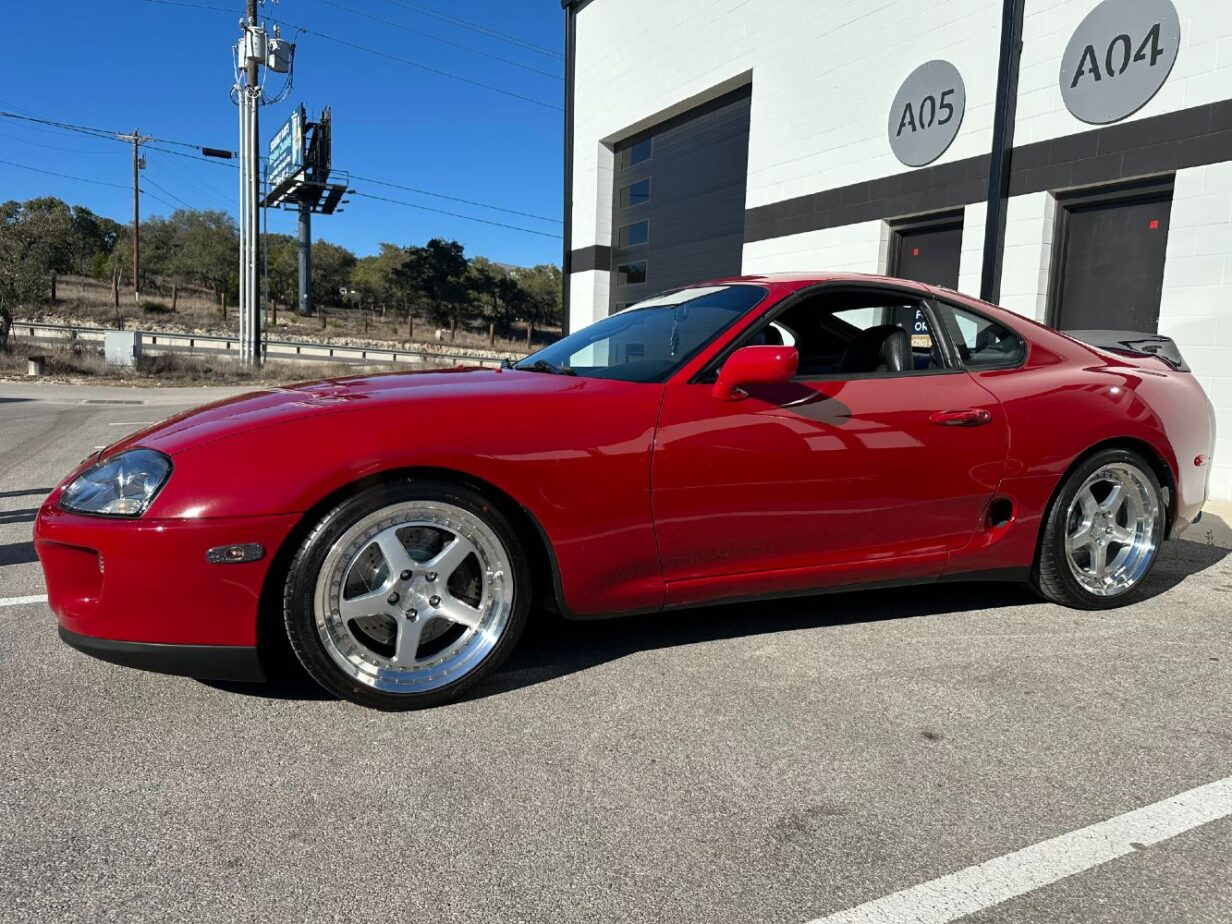
MK4 Supra Paint Correction and Ceramic Coating Process by Carsmotology
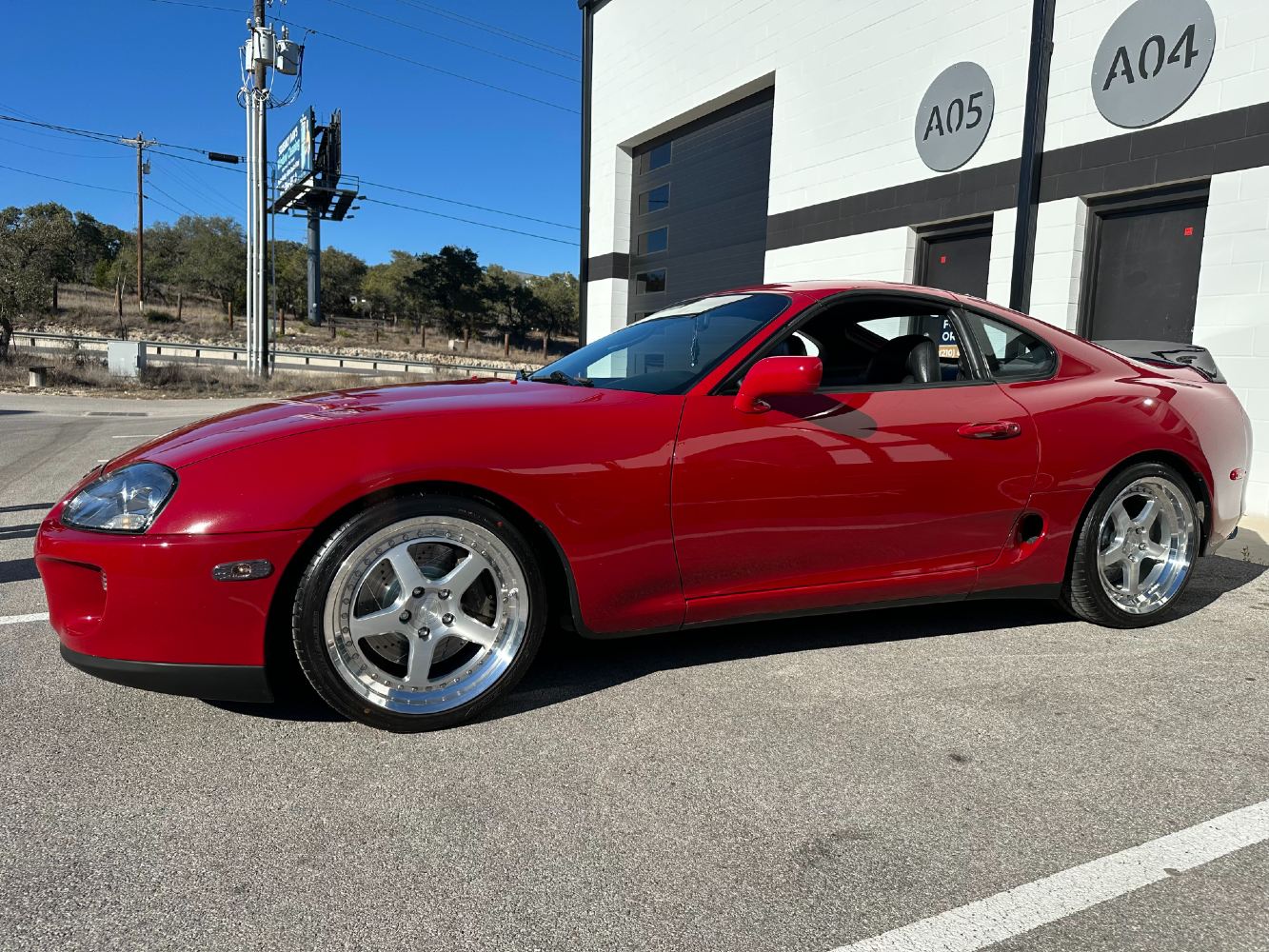
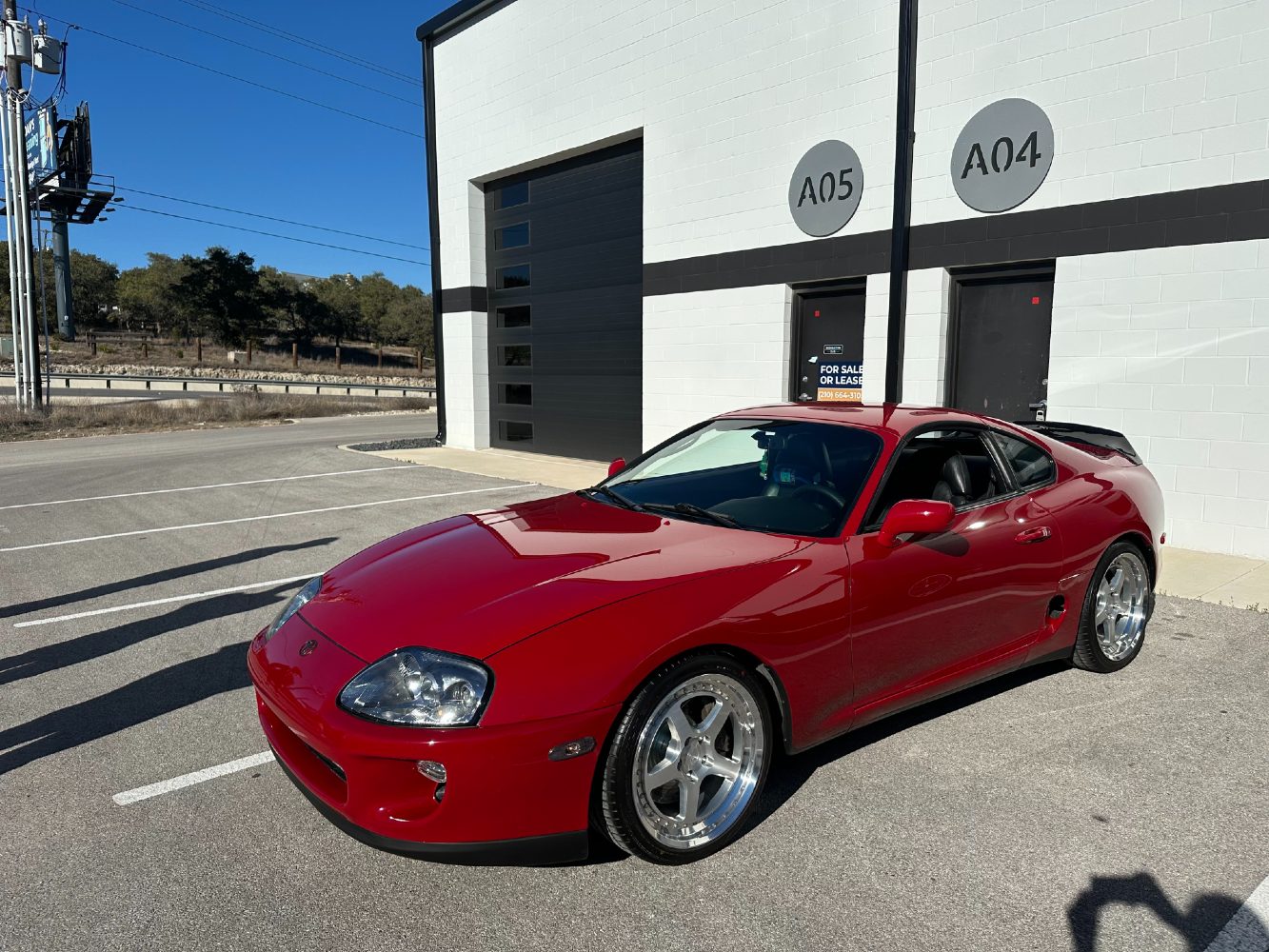
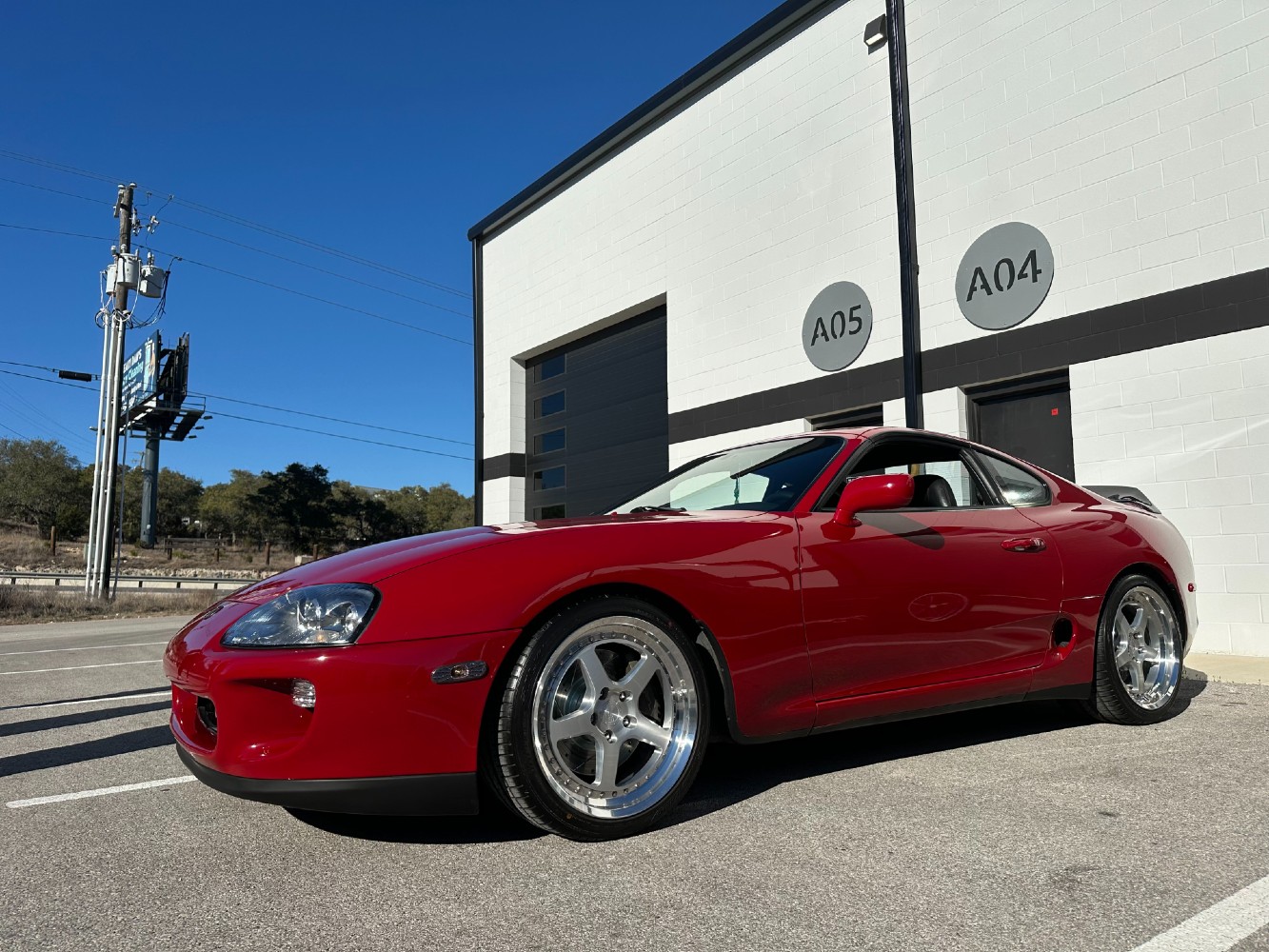
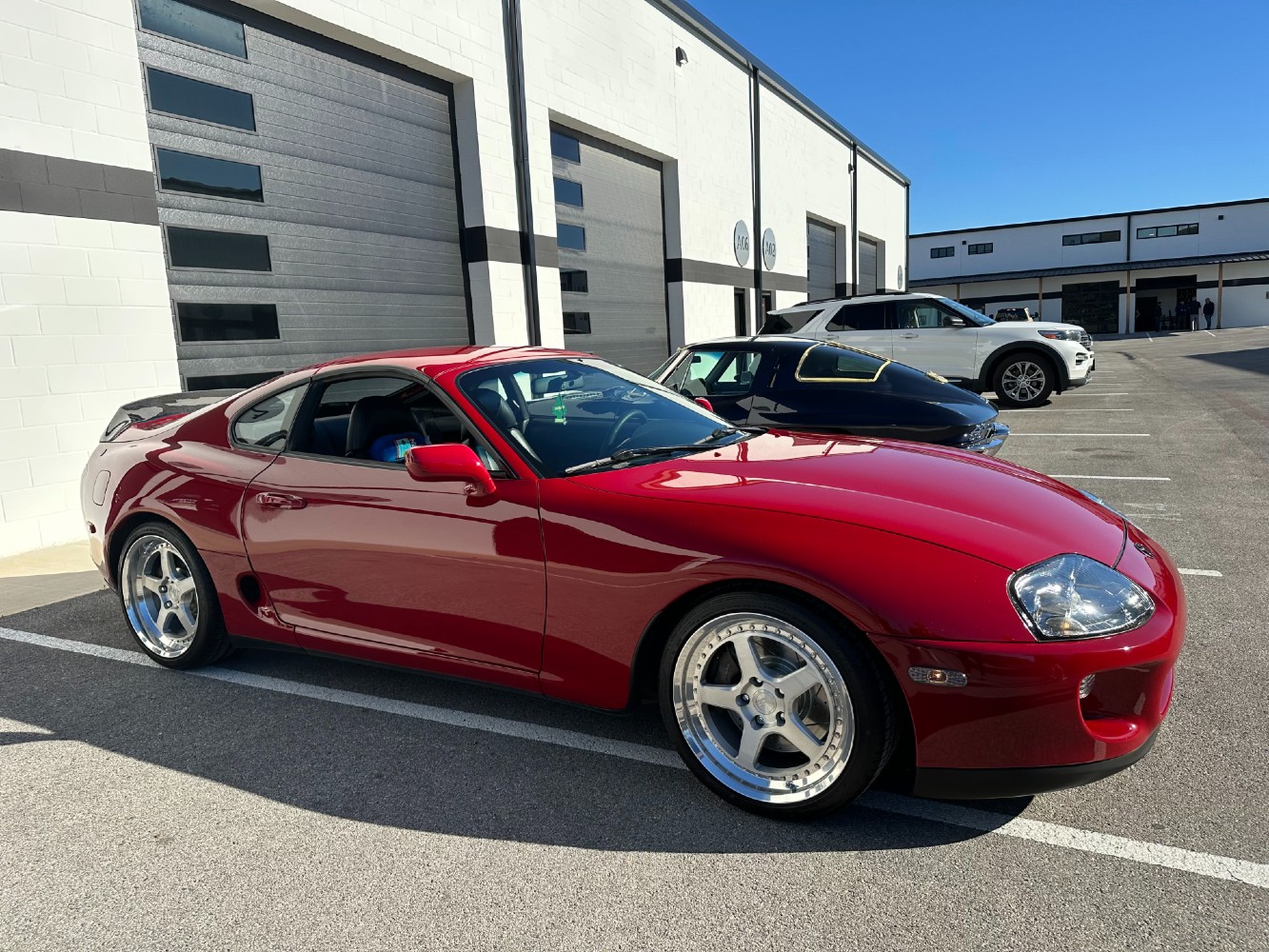
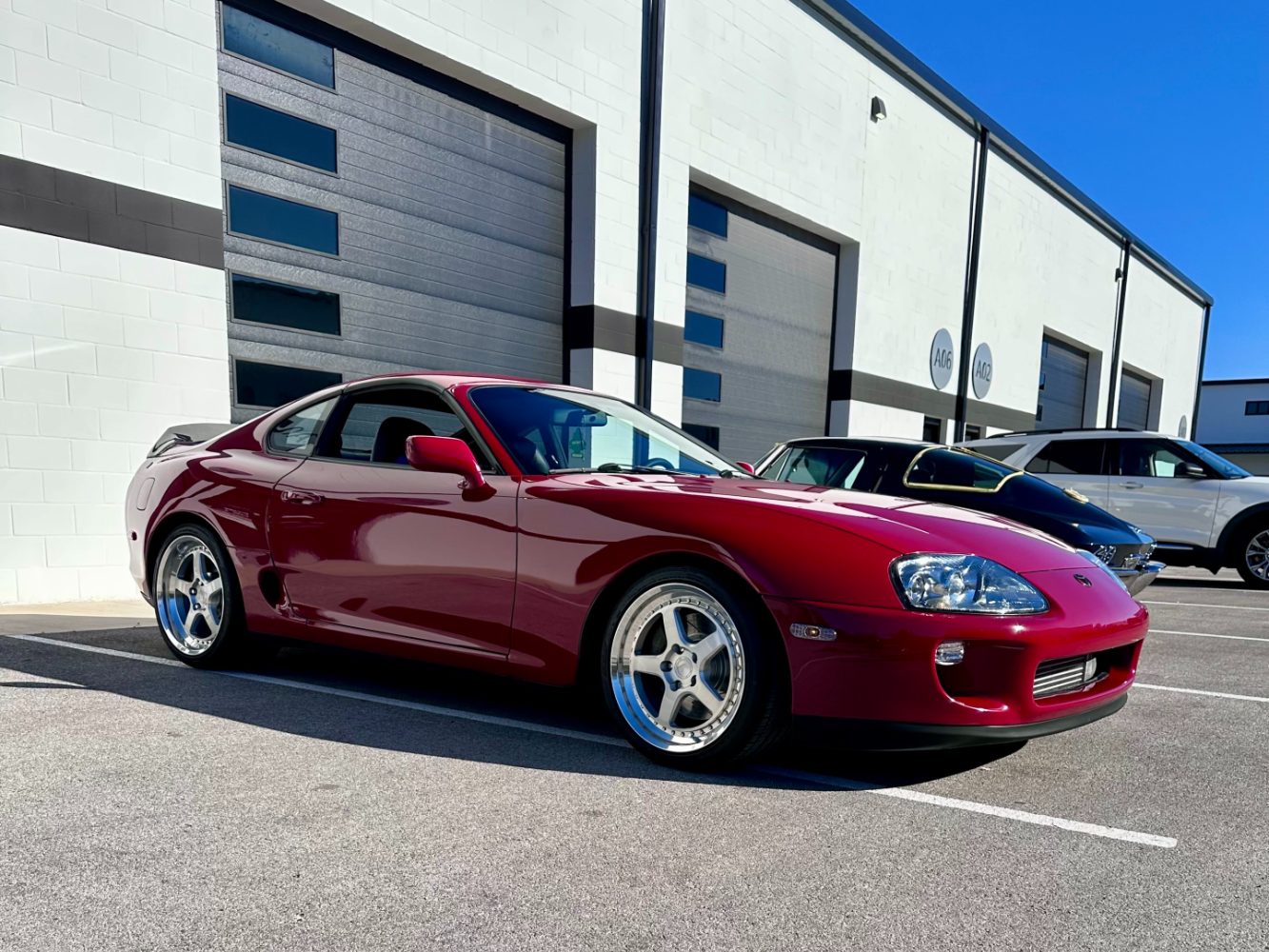
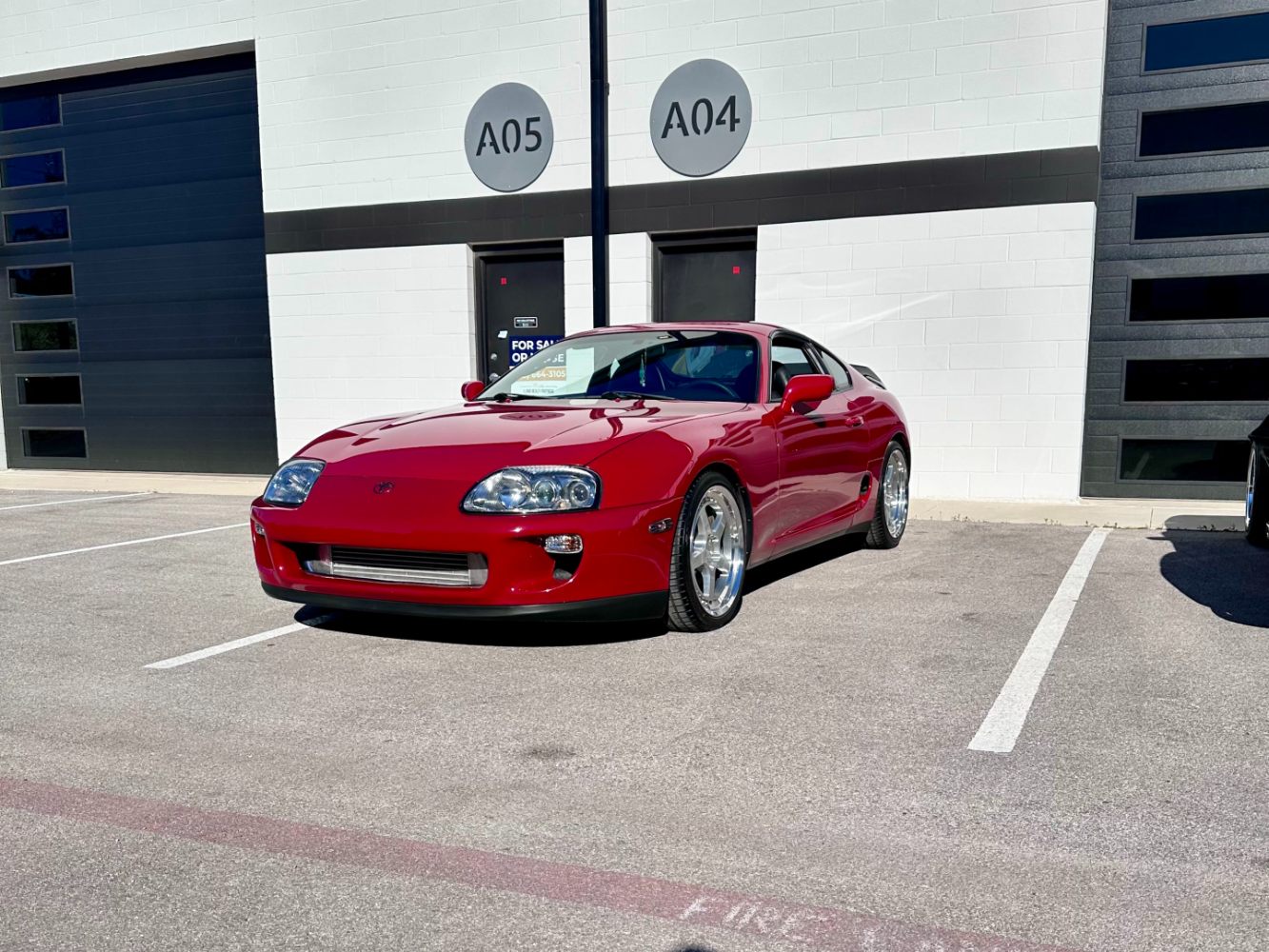
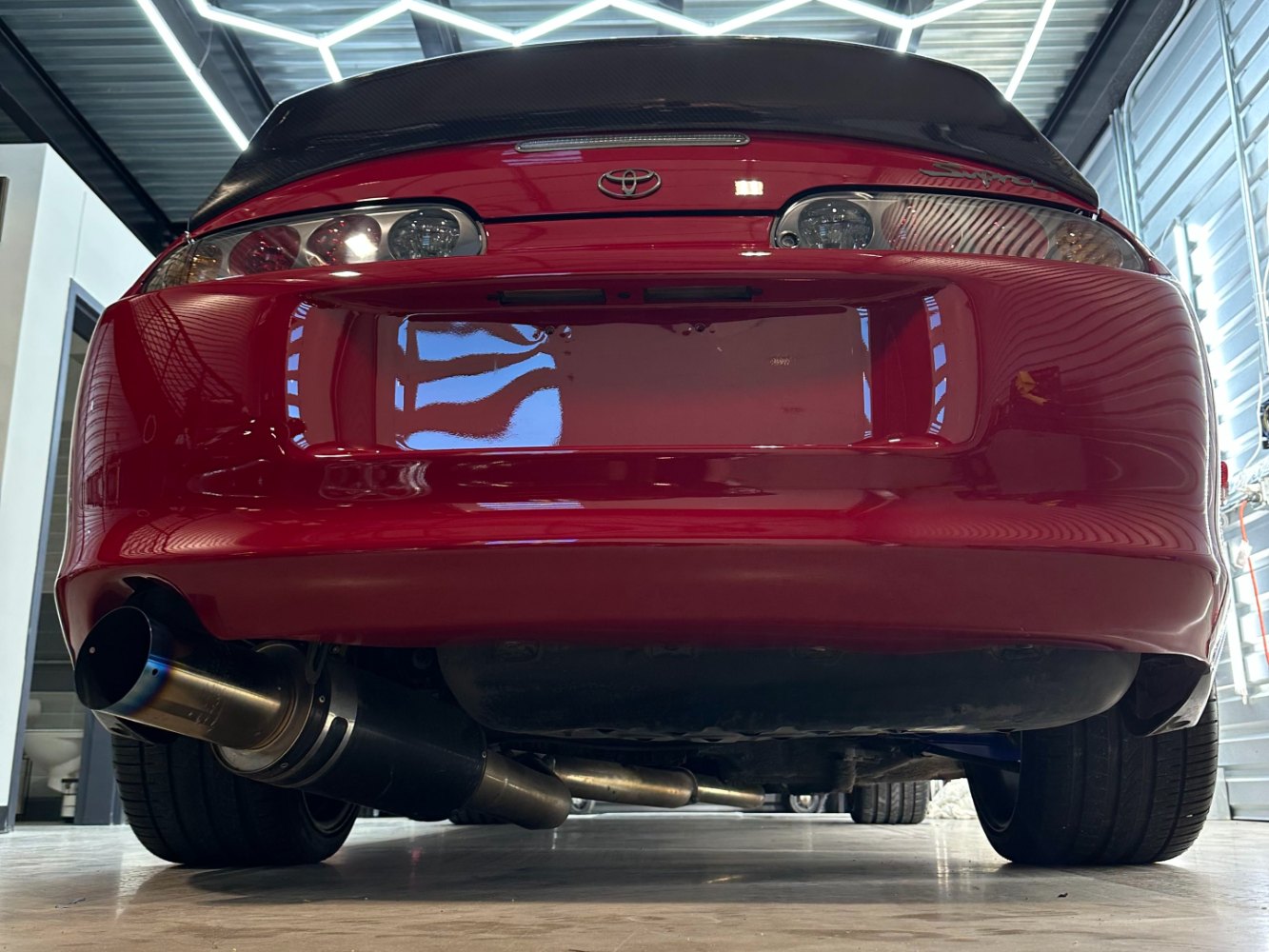
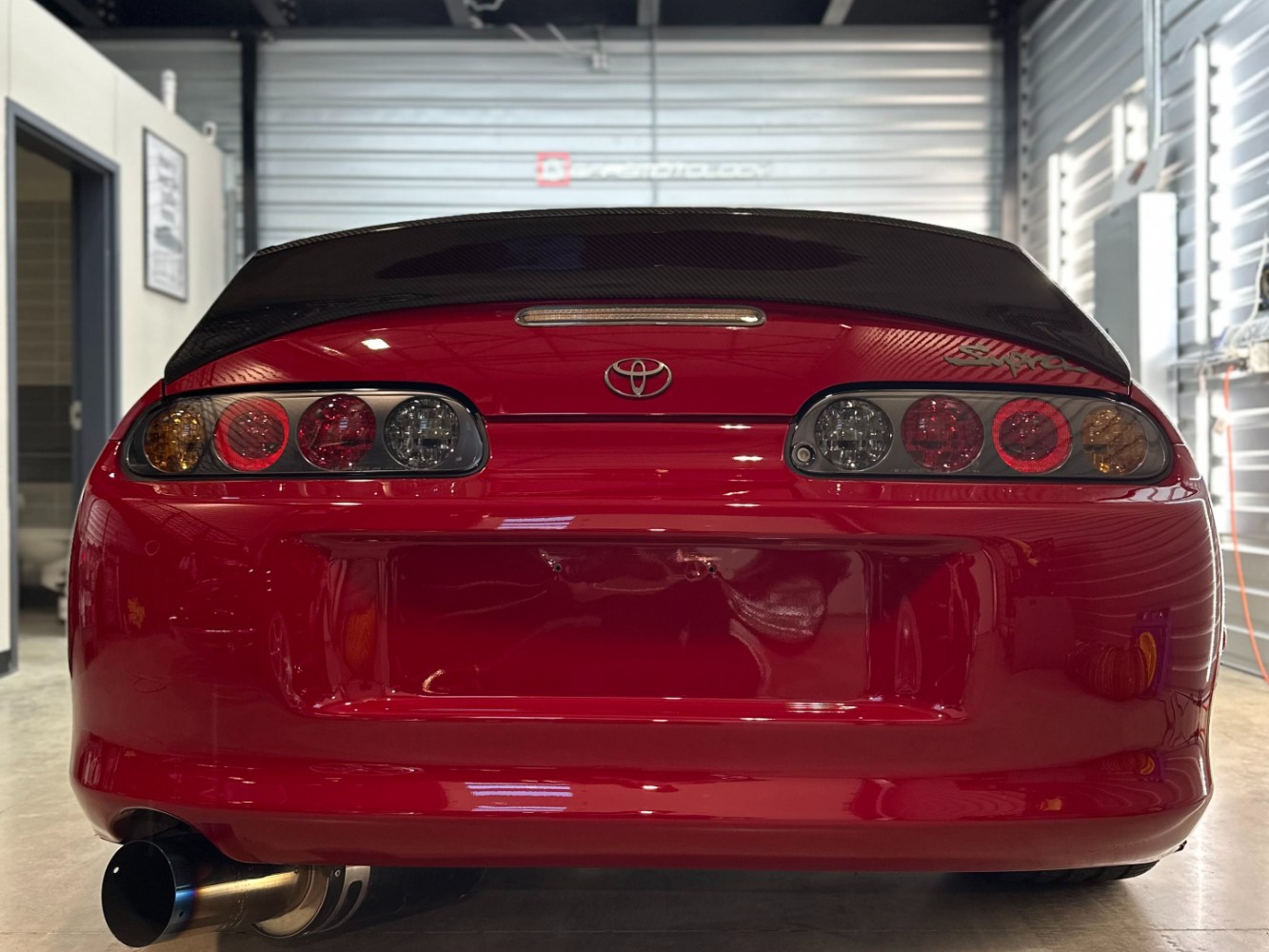
The MK4 Supra is one of the most recognized performance platforms of its era. When this example arrived at Carsmotology, the objective was not simply to make it shine. The goal was to remove heavy water spotting, refine the paint safely, and apply long-term ceramic protection using a controlled process.
At our studio serving Boerne, San Antonio, and New Braunfels, every correction begins with material awareness. This Supra had not been repainted aside from the hood, front bumper, and roof, so panel assessment and thickness awareness were critical before any abrasive work began.
Understanding the Condition Before Correction
The most significant issue on this Supra was mineral and calcium water spotting across the roof, hood, front bumper, and trunk. These deposits had etched into the upper layer of the clear coat and could not be removed through polishing alone.
If you are unsure how these defects form, review What Causes Swirl Marks? and mineral damage. Improper washing, sprinkler exposure, and hard water are common causes.
Common Mistakes with Water Spot Removal
Many detailers attempt to remove severe water spots with aggressive compounding alone. This often creates unnecessary heat and uneven correction. In cases like this Supra, controlled 3000-grit wet sanding was required to level the mineral rings safely before polishing refinement.
Another common mistake is failing to note repaint panels. Blending areas require careful monitoring to avoid overcorrection.
Step-by-Step Breakdown of the Process
1. Initial Wash and Decontamination
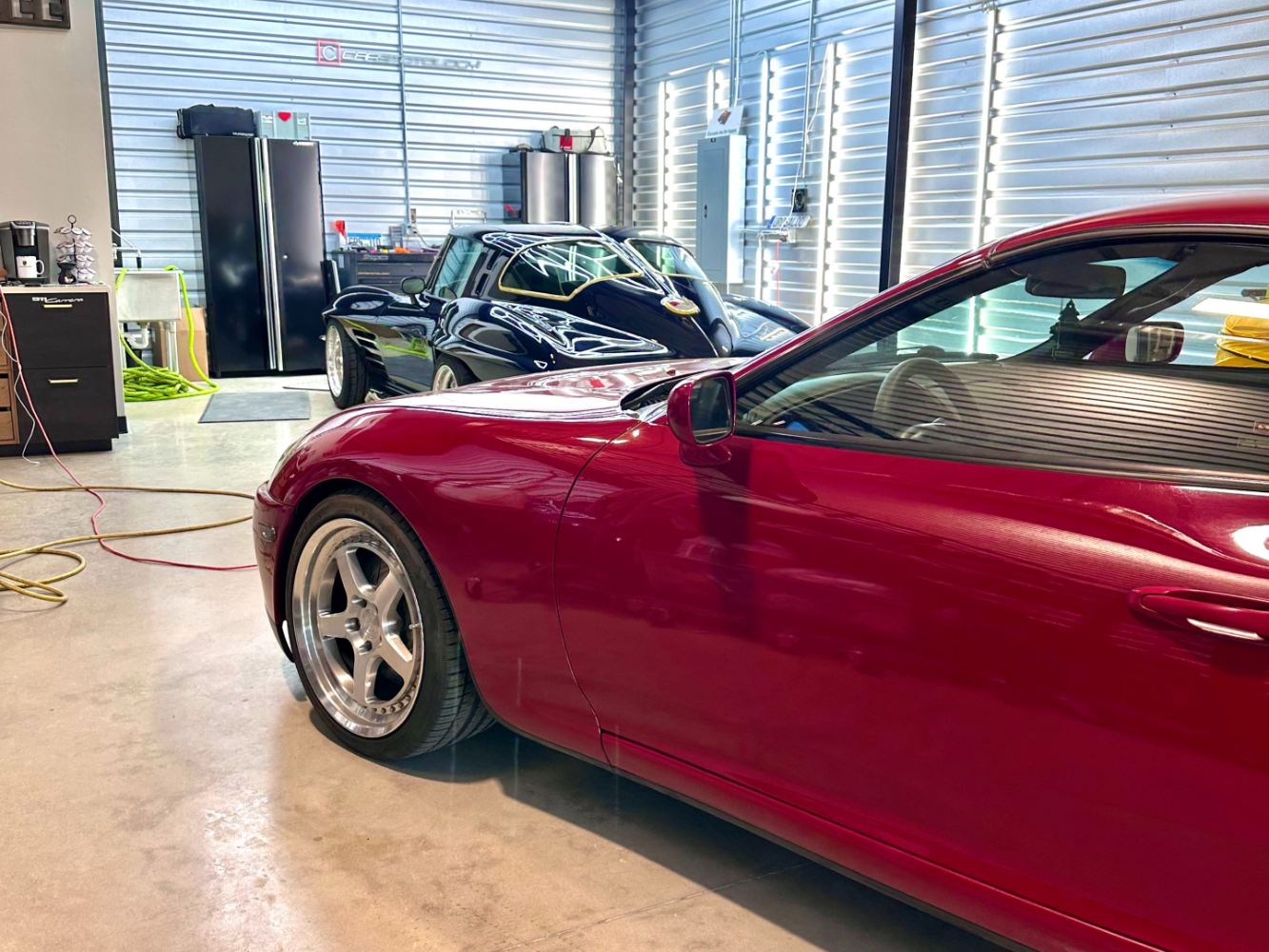
The vehicle received a thorough rinse and wash, followed by iron decontamination on painted surfaces only. The wheels were excluded from iron treatment because they featured raw aluminum lips that could stain.
After chemical decontamination, a clay bar process was completed to remove bonded contaminants. Proper prep ensures polishing pads remain clean and correction remains consistent.
2. Masking and Surface Preparation
Plastic trim was carefully taped prior to machine work. Faded trim areas near the windshield were restored after polishing using Nextzett Plastic Cleaner and Nextzett Gummi Pflege Stift to clean and condition rubber components.
You can read more about proper rubber care here: Restore Rubber Seals and Weatherstripping.
3. Targeted 3000-Grit Wet Sanding
Severe mineral etching on horizontal panels required controlled 3000-grit wet sanding to level the affected layer. This process removes only the minimum material necessary to eliminate the ring pattern left by calcium deposits.
Wet sanding should never be performed without proper experience, lighting, and thickness awareness.
4. Two-Step Paint Correction
After leveling, a two-step machine polishing process was completed using professional RUPES systems including the LHR15 Mark III, LHR75 pneumatic, and iBrid nano for tight areas.
Initial defect removal was performed using a medium cut wool pad and compound, followed by refinement using a finishing pad such as IGL Coatings FM-B paired with F3 finishing polish.
For a full explanation of correction, see What Is Paint Correction?.
5. Badge Removal and Replacement
Old badges were removed prior to correction to eliminate trapped contamination and scratches underneath. After paint refinement, new badges supplied by the customer were installed to ensure a consistent, refreshed appearance.
6. Surface Prep and Ceramic Coating
After polishing, the paint was wiped down with an isopropyl alcohol solution to remove polishing oils. Improper prep can cause coating bonding failure.
The vehicle was then coated using CCI Revolution ceramic coating for long-term protection. If you want to understand coating performance, read How Long Does Ceramic Coating Last in Texas? and Ceramic Coating vs PPF.
Learn more about our Ceramic Coating Services.
7. Wheel and Trim Refinement
The wheel barrels were deep cleaned and corrected where needed. Tires were treated using a water-based dressing such as IGL Tyre to restore a natural finish without excessive gloss.
8. Interior and Final Detailing
The process concluded with a full interior vacuum, wipe-down, glass cleaning, and door jamb refinement. Final inspection under controlled lighting confirmed uniform correction and gloss across all panels.
Professional Insight: Why Discipline Matters
Jen has over two decades of experience in paint correction and material-specific detailing. Projects like this MK4 Supra require patience, proper tool selection, and respect for factory clear coat.
Correction is not about speed. It is about precision. Ceramic coating is not about shine. It is about protection built on proper preparation.
Professional Paint Correction and Ceramic Coating in the Hill Country
Carsmotology provides advanced paint correction and professional ceramic coating services for enthusiasts who expect controlled results.
If your vehicle requires defect removal, mineral spot correction, or long-term paint protection, contact Carsmotology to discuss your project.
Final Thoughts
The MK4 Supra remains an icon. Proper correction restores its depth. Proper coating protects that depth.
When performed with discipline, the result is clarity, durability, and a finish worthy of the platform.